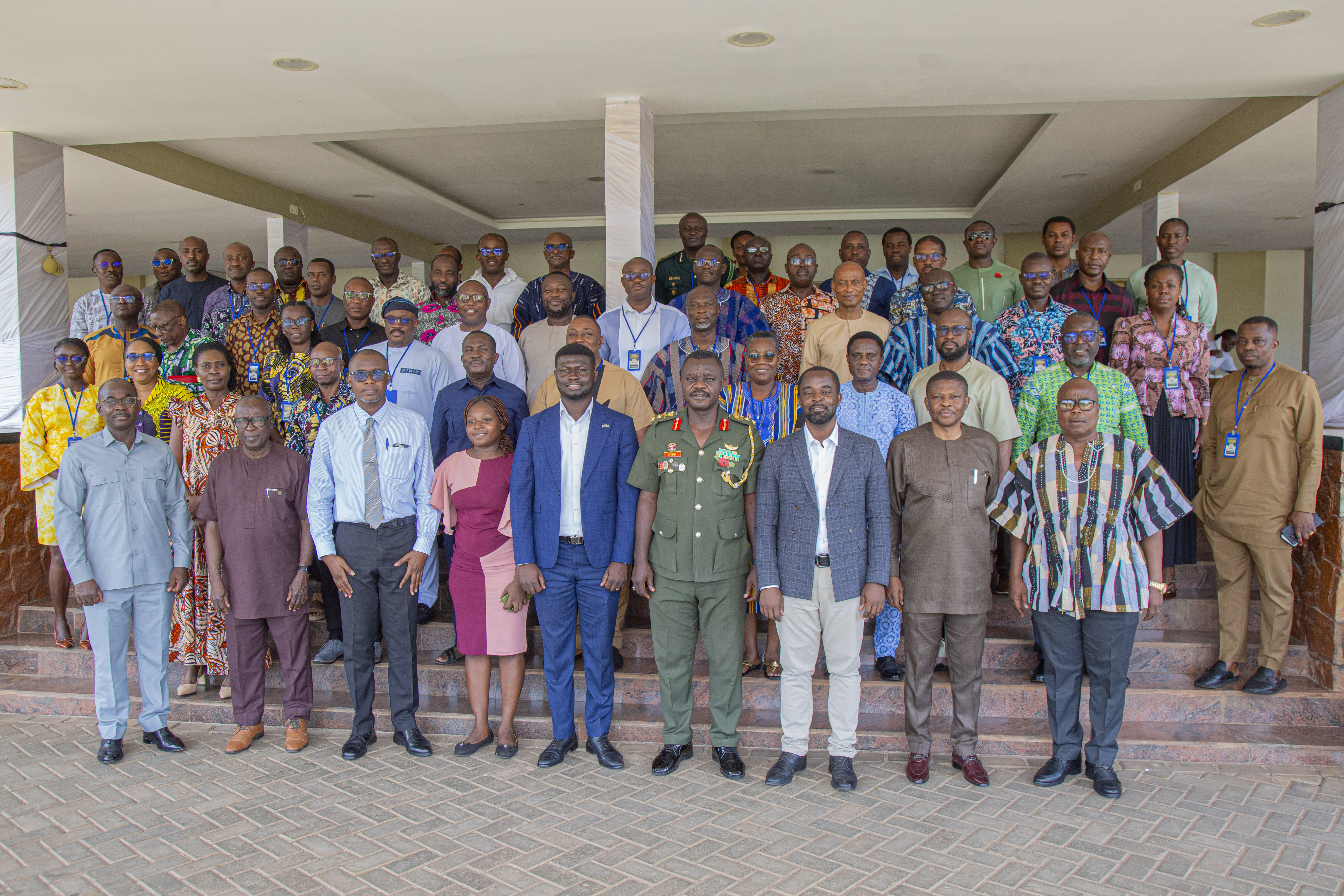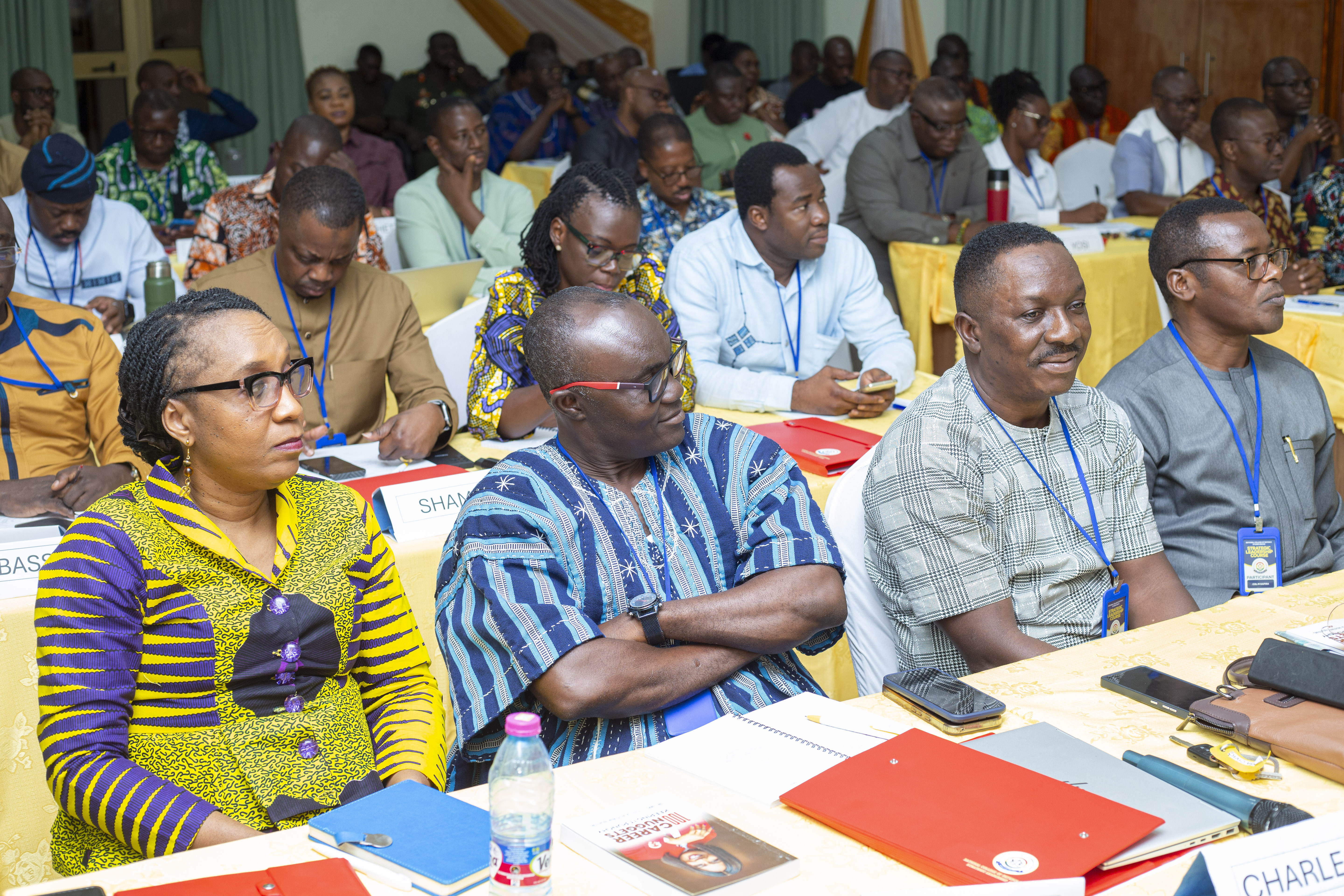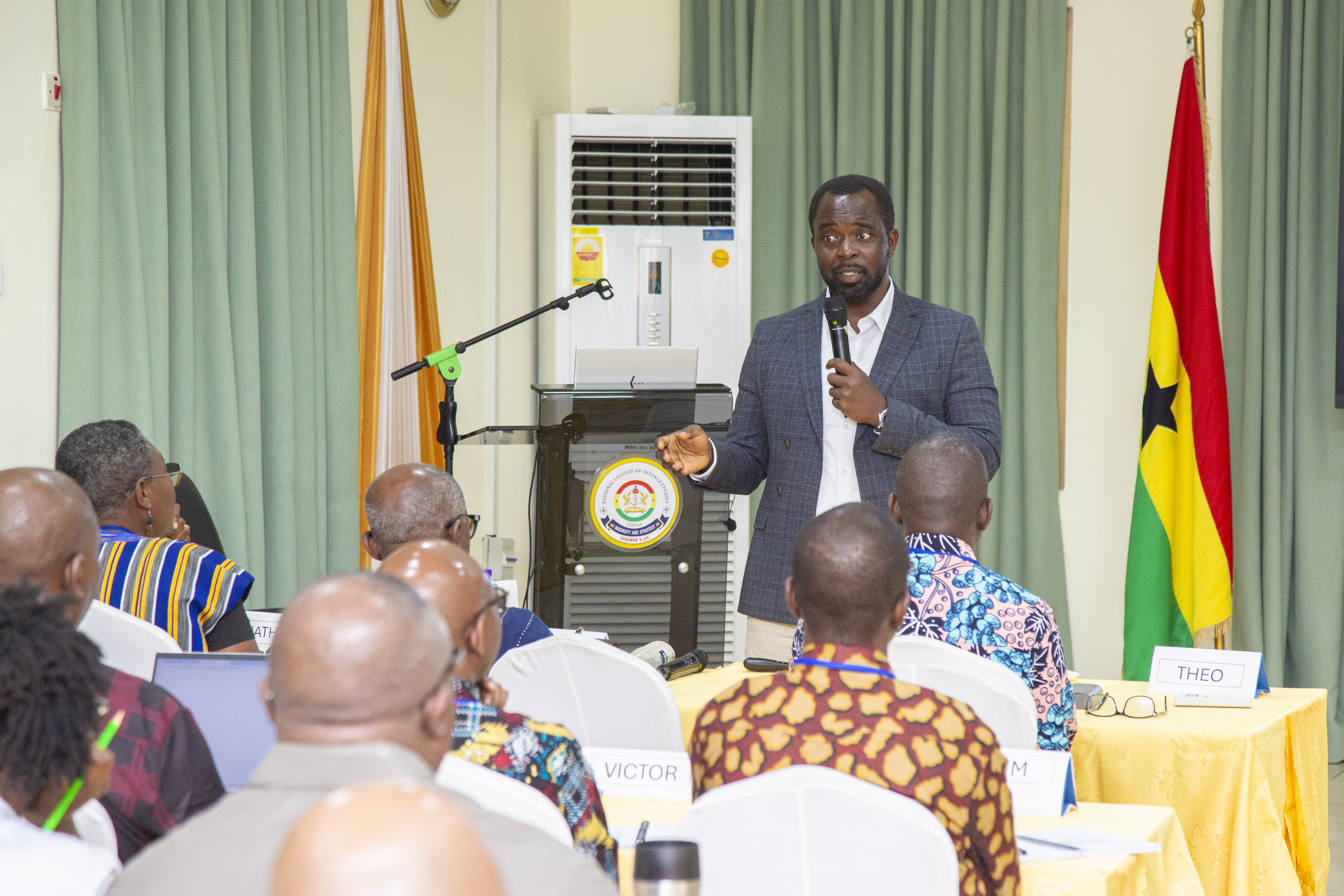
The National College of Defence Studies (NCDS) has held a panel discussion on the theme, “Leveraging Artificial Intelligence (AI), Digitalisation and Data-Driven Decision-Making for Strategic Leadership Success in Ghana.”
The discussion, held on Friday, 13 November 2026, at the Arakan Officers’ Mess, examined the growing role of artificial intelligence, digitalisation and data-driven systems in enhancing strategic leadership and institutional decision-making.
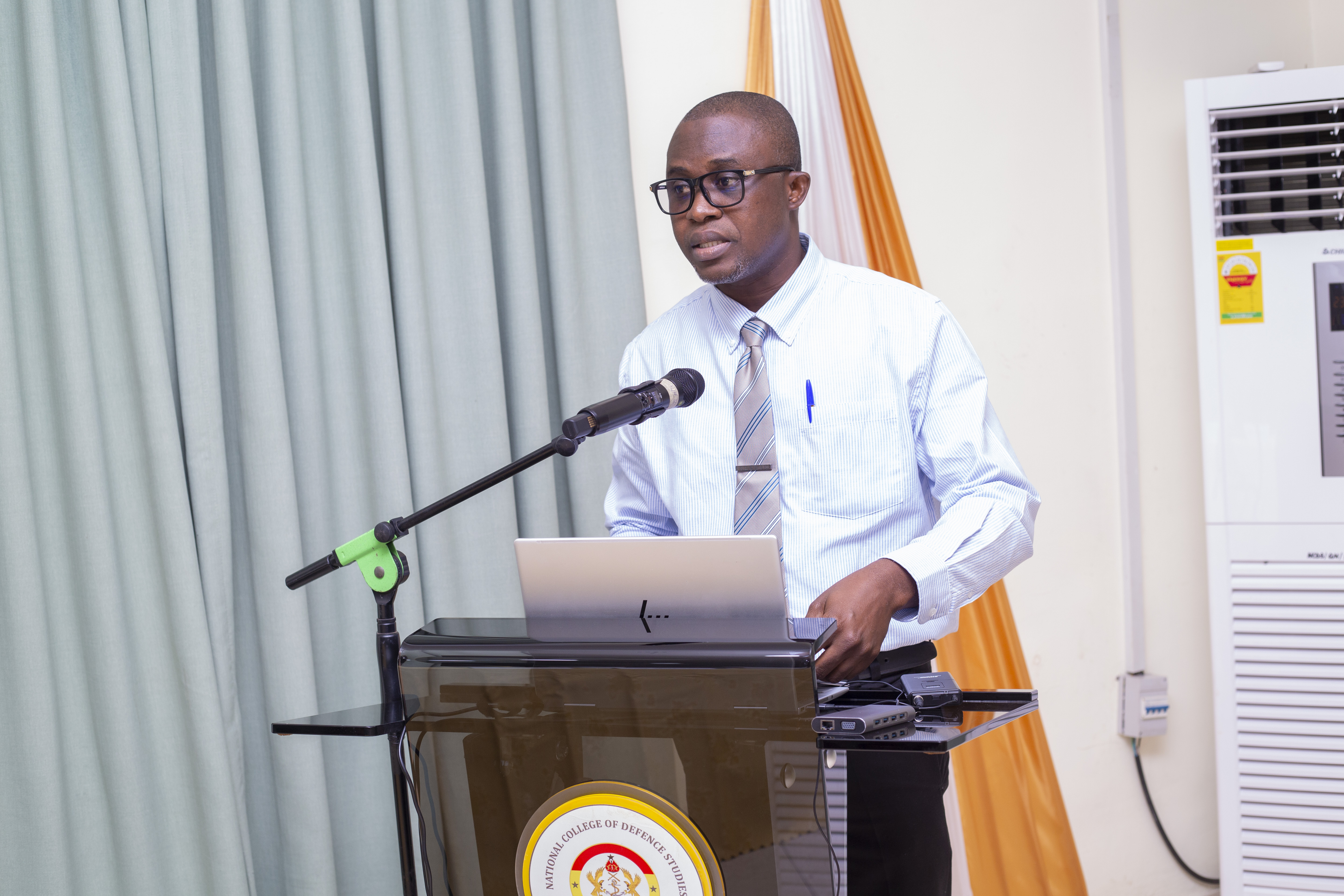
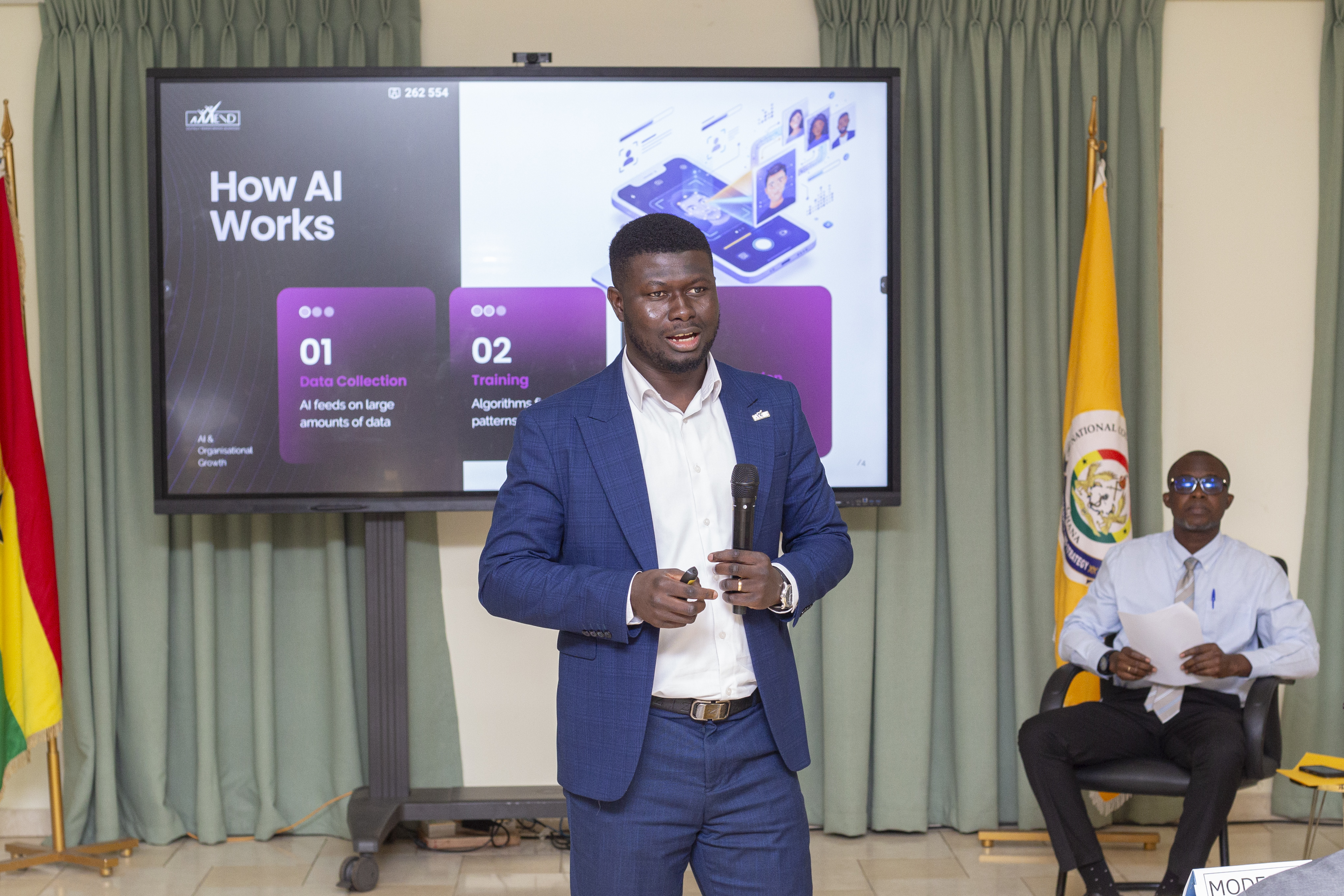
The panel was chaired by Mr Kwasi Boakye, Librarian at NCDS, with Professor Eric Afful Dadzie, an academic and consultant specialising in decision sciences, business intelligence, analytics and information systems, and Mr Elijah Awintuah, the Chief Information and Operations Officer of Axxend serving as panellists.
During the discussion, the panellists highlighted the importance of adopting artificial intelligence, digital technologies and effective data management systems to improve decision-making processes at the strategic and institutional levels. They explained that AI refers to computer systems capable of performing tasks that ordinarily require human intelligence, enabling leaders to process complex information, improve situational awareness and make timely, informed decisions.
They further identified several benefits of artificial intelligence, including improved decision-making, increased operational efficiency, enhanced productivity and strengthened research and analytical capabilities.
The discussion also underscored the importance of accurate data collection and management in an increasingly digital environment, where technologies such as artificial intelligence and cloud computing continue to advance rapidly. The panellists noted that reliable and well-organised data enables institutions to identify patterns, assess trends and generate valuable insights to support effective strategic decisions.
On digitalisation, the panellists observed that it had contributed significantly to economic growth by improving access to financial and commercial services through platforms such as mobile money, internet banking and electronic payment systems.
They also emphasised the need for institutions to integrate and harmonise their data systems rather than operate in isolation. According to them, effective data integration could improve institutional coordination, operational efficiency and service delivery across various sectors.
Citing practical examples, the panellists explained that sensors connected to Automated Teller Machines (ATMs) could alert banks when machines run out of cash, while digital health platforms could enable patients to access healthcare services online. Similarly, emergency response agencies could leverage real-time data systems to improve response times and enhance public service delivery.
The speakers also cited TRAFFICTECH as an example of how data and technology could support national collaboration and scientific advancement.
In their recommendations, the panellists called for stronger collaboration among research institutions, universities and government agencies to harmonise data systems, promote knowledge sharing and strengthen research initiatives in support of national development.
The discussion formed part of the College's efforts to equip participants with the knowledge and competencies required to leverage emerging technologies and data-driven approaches in addressing complex national security, governance and development challenges.