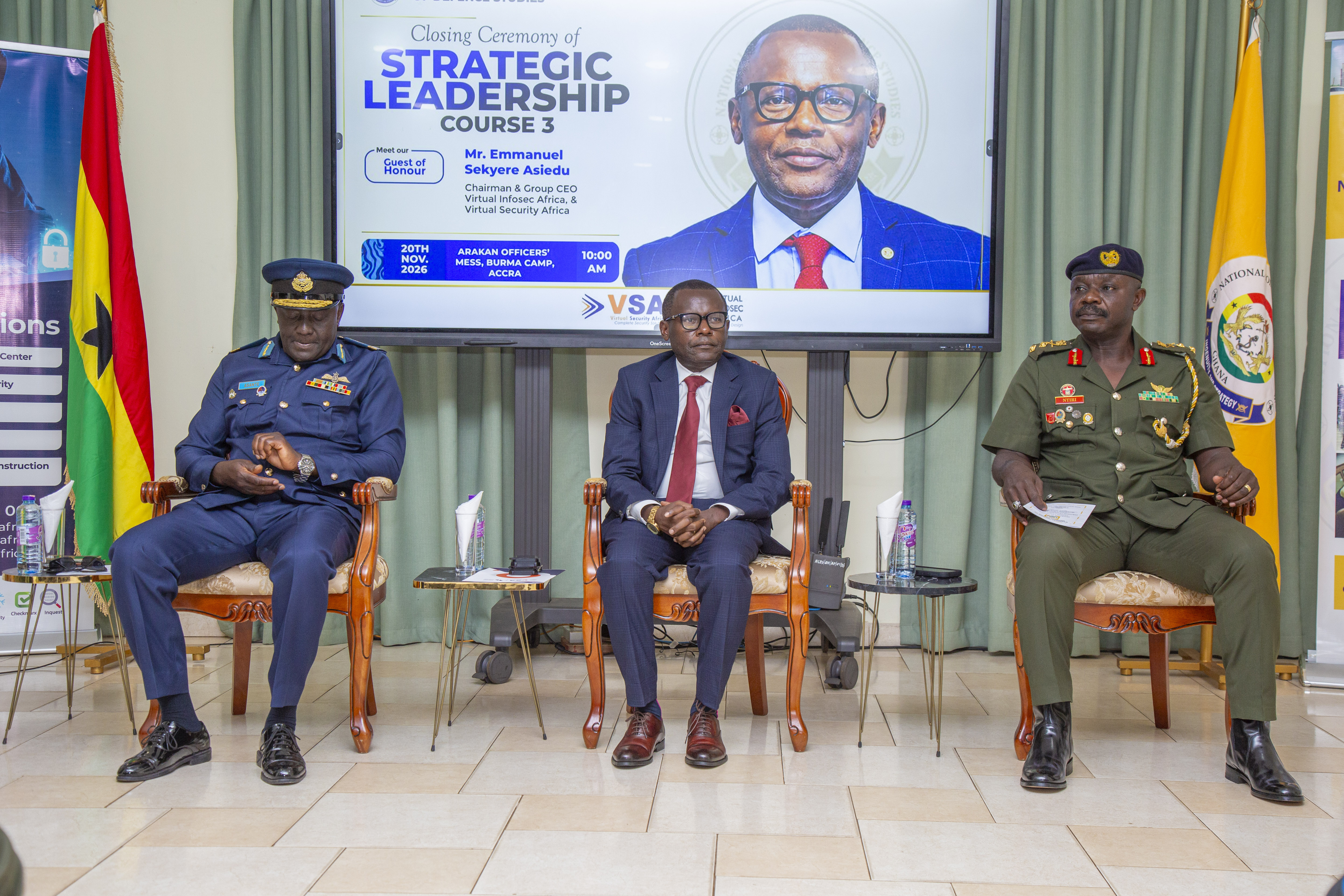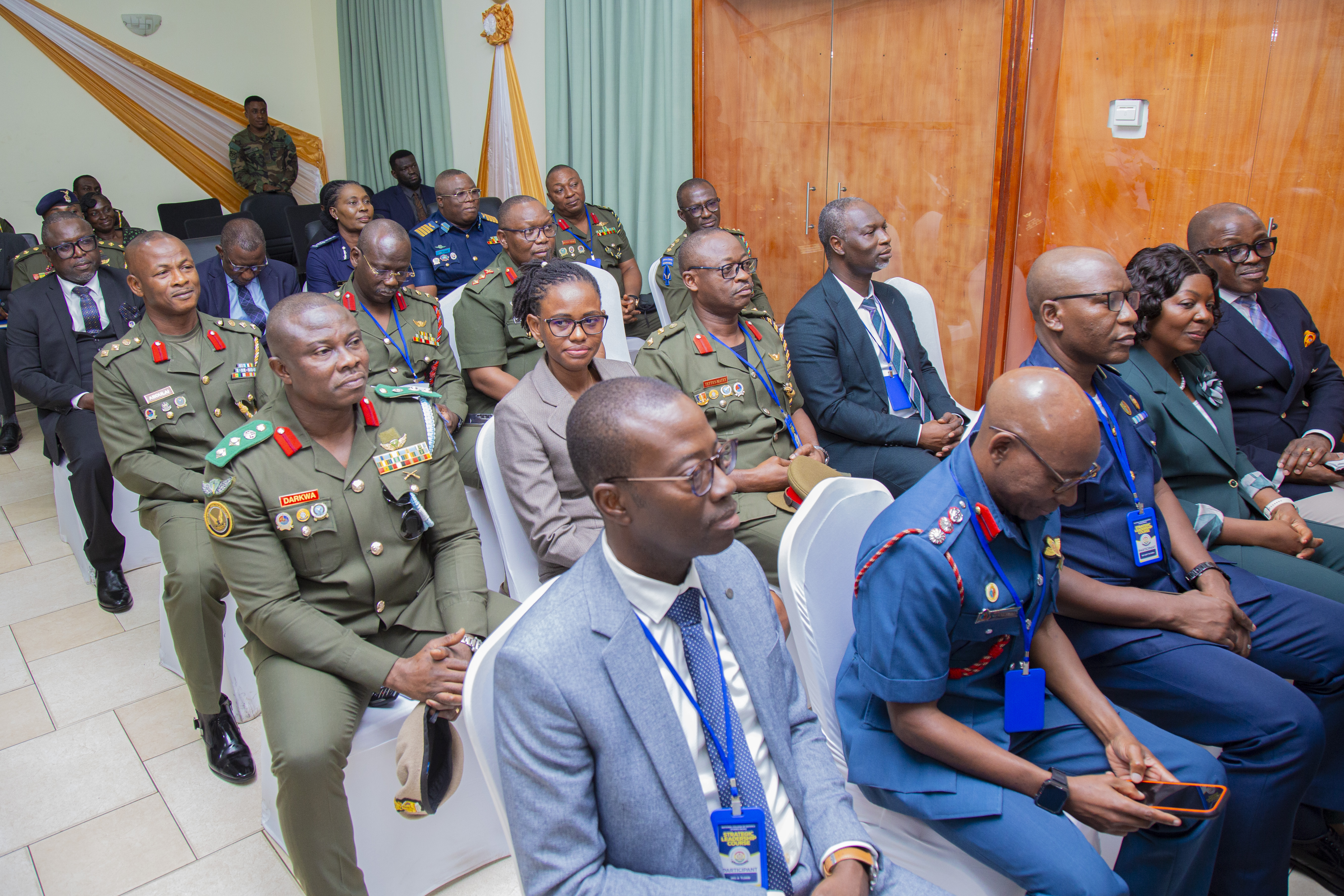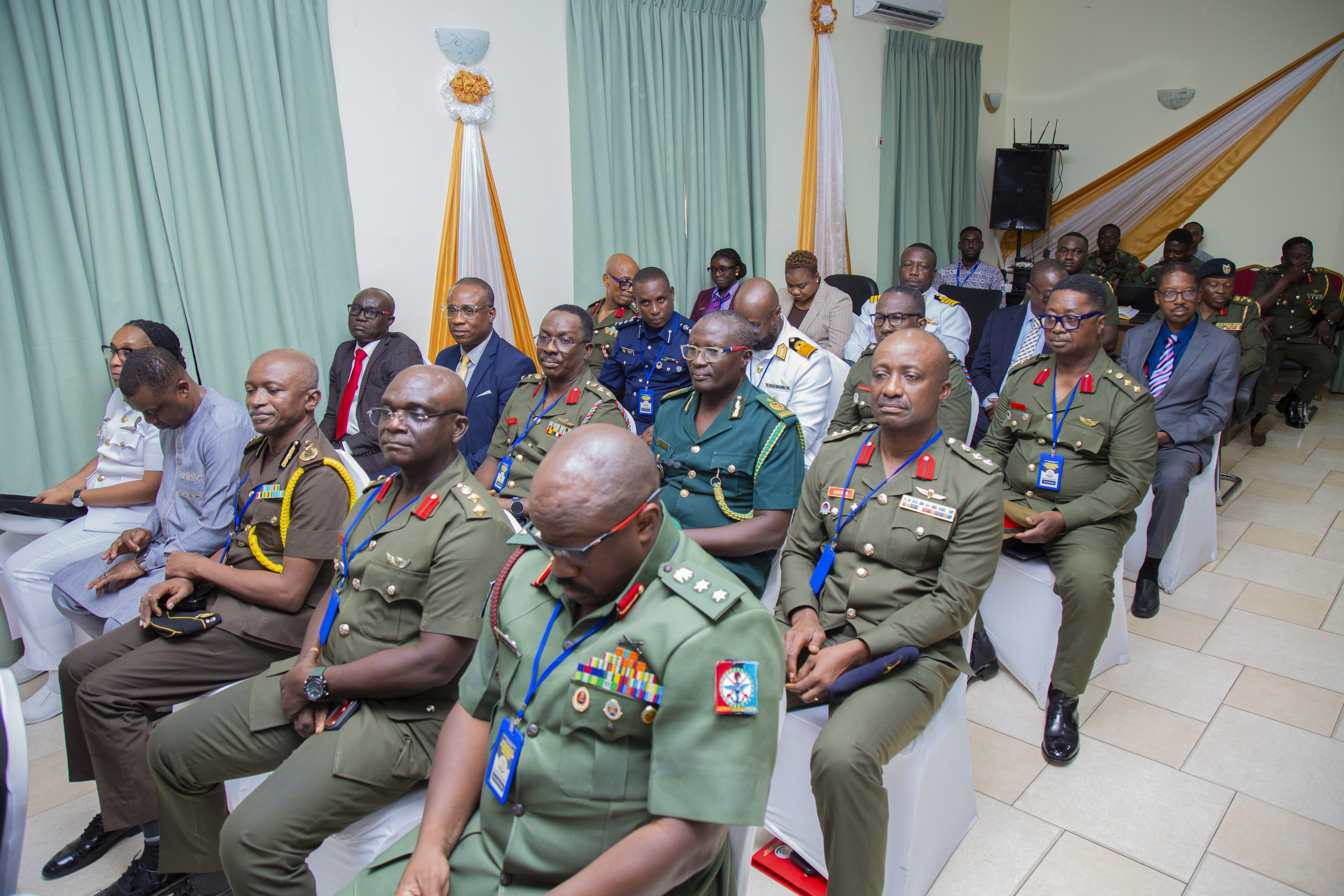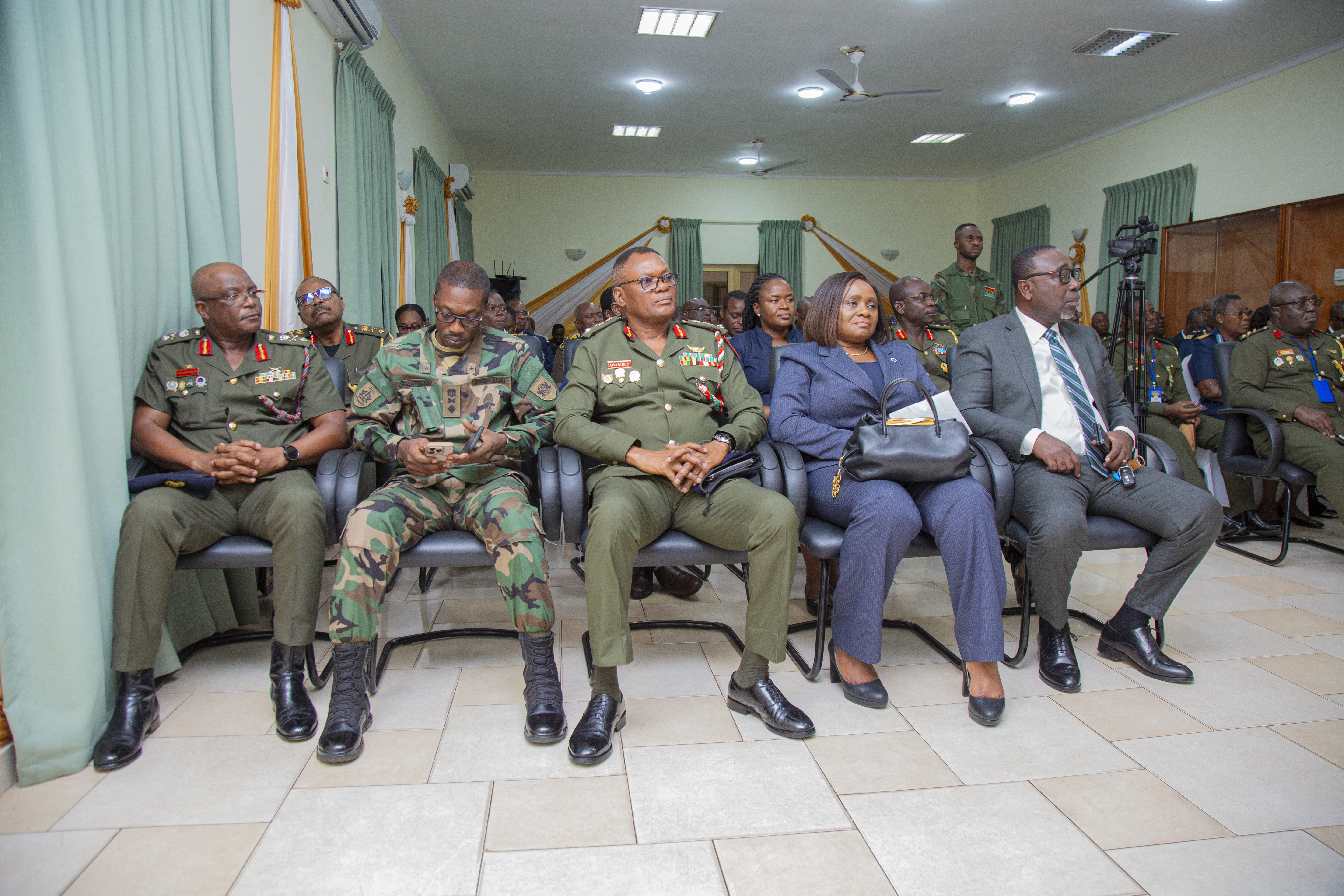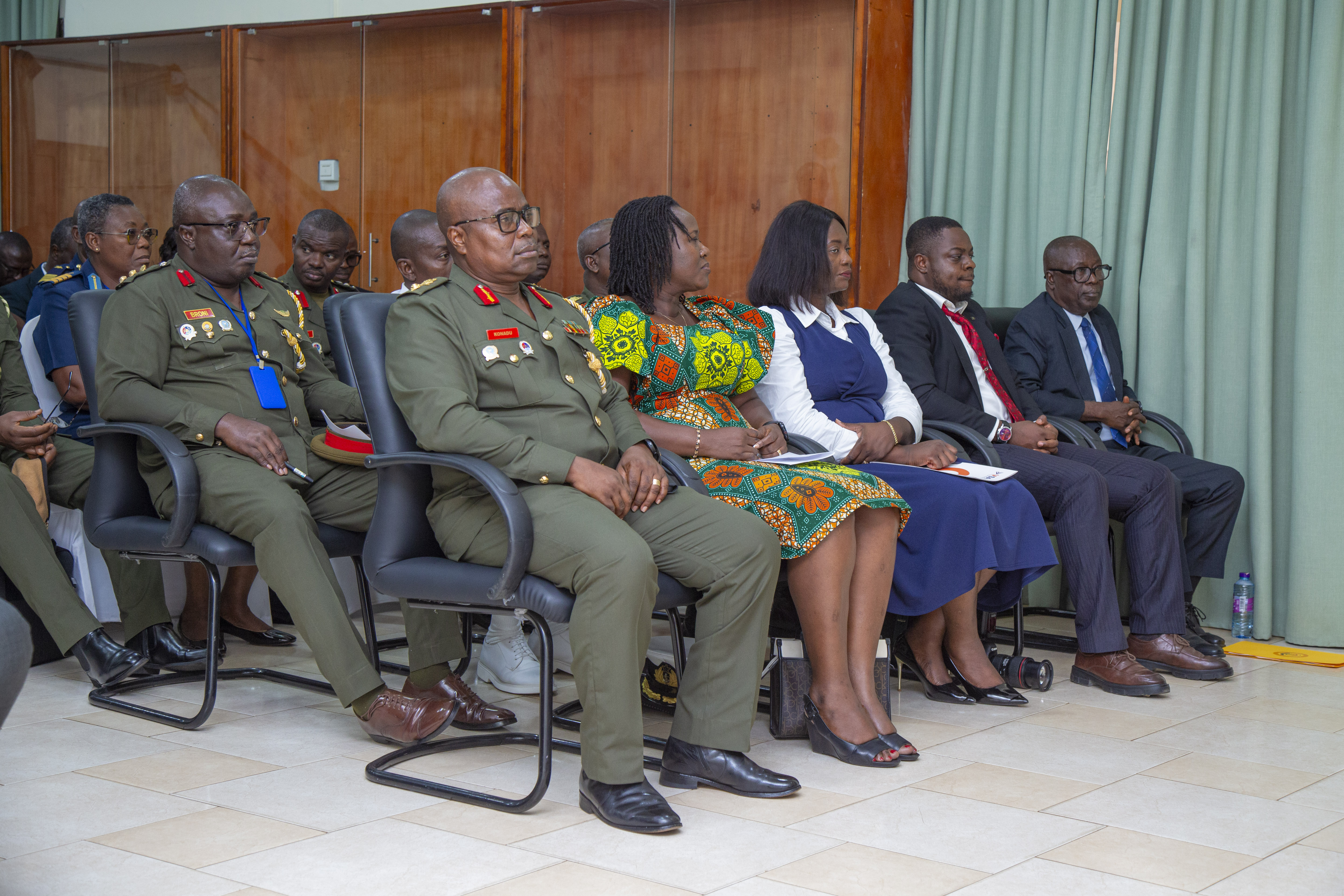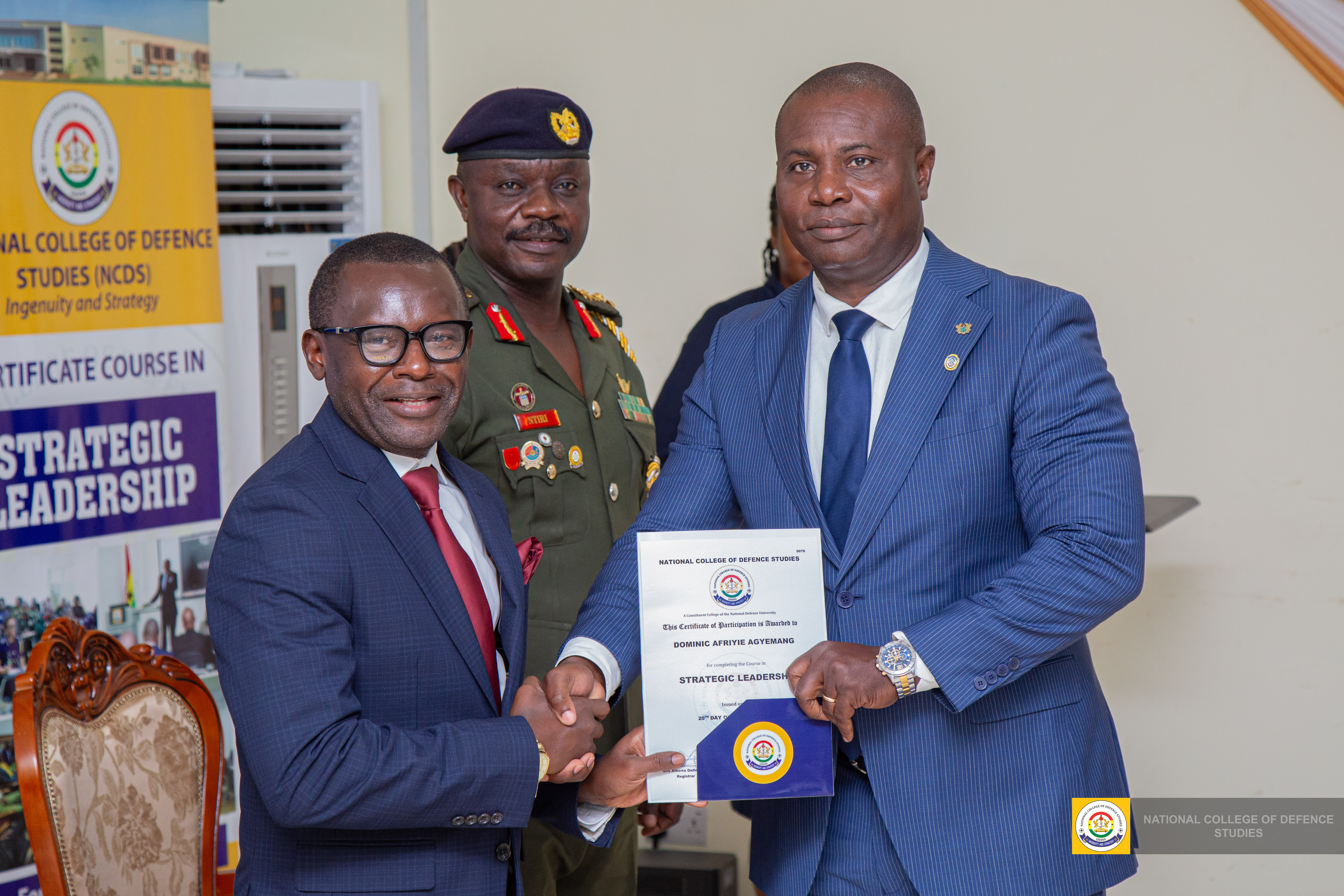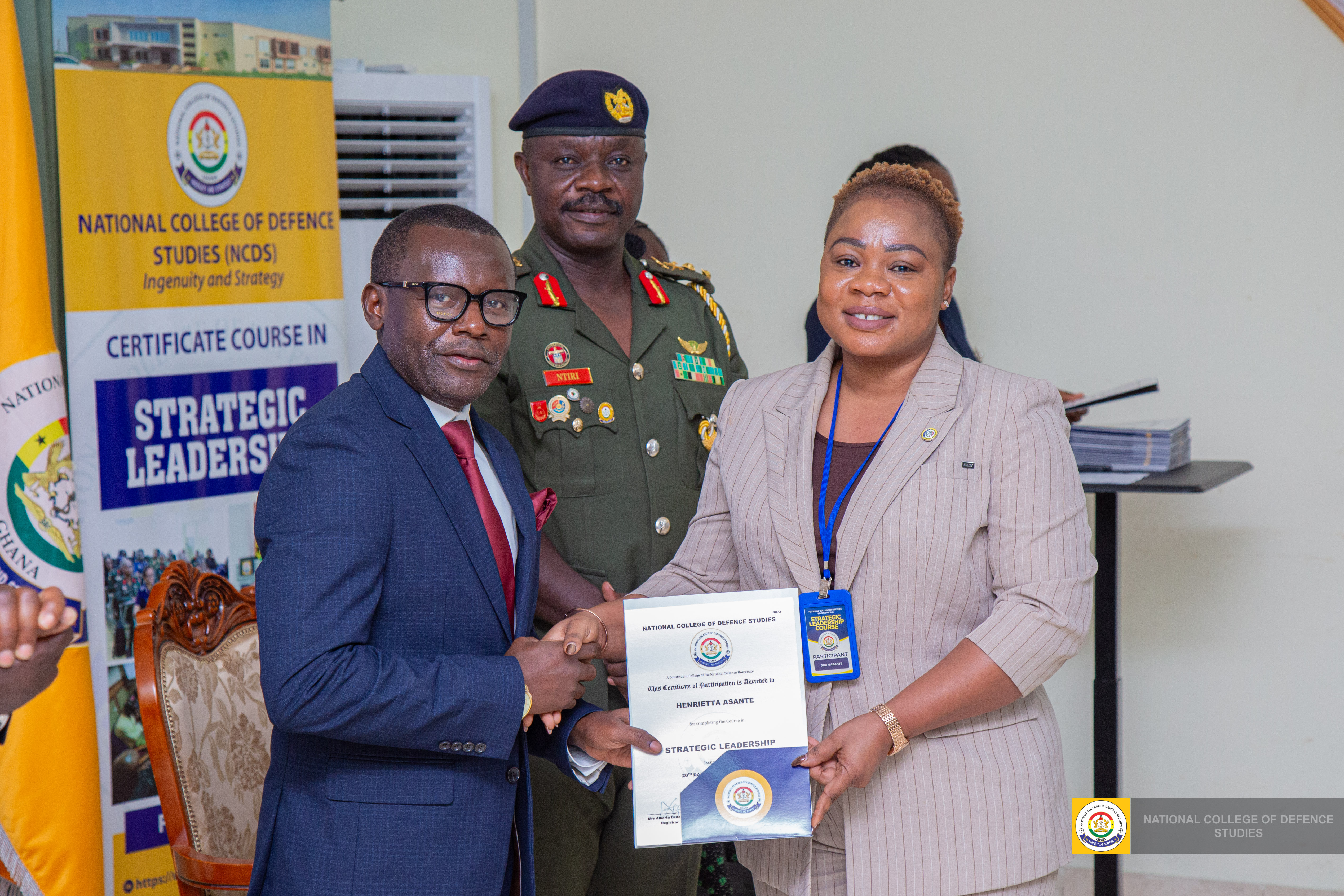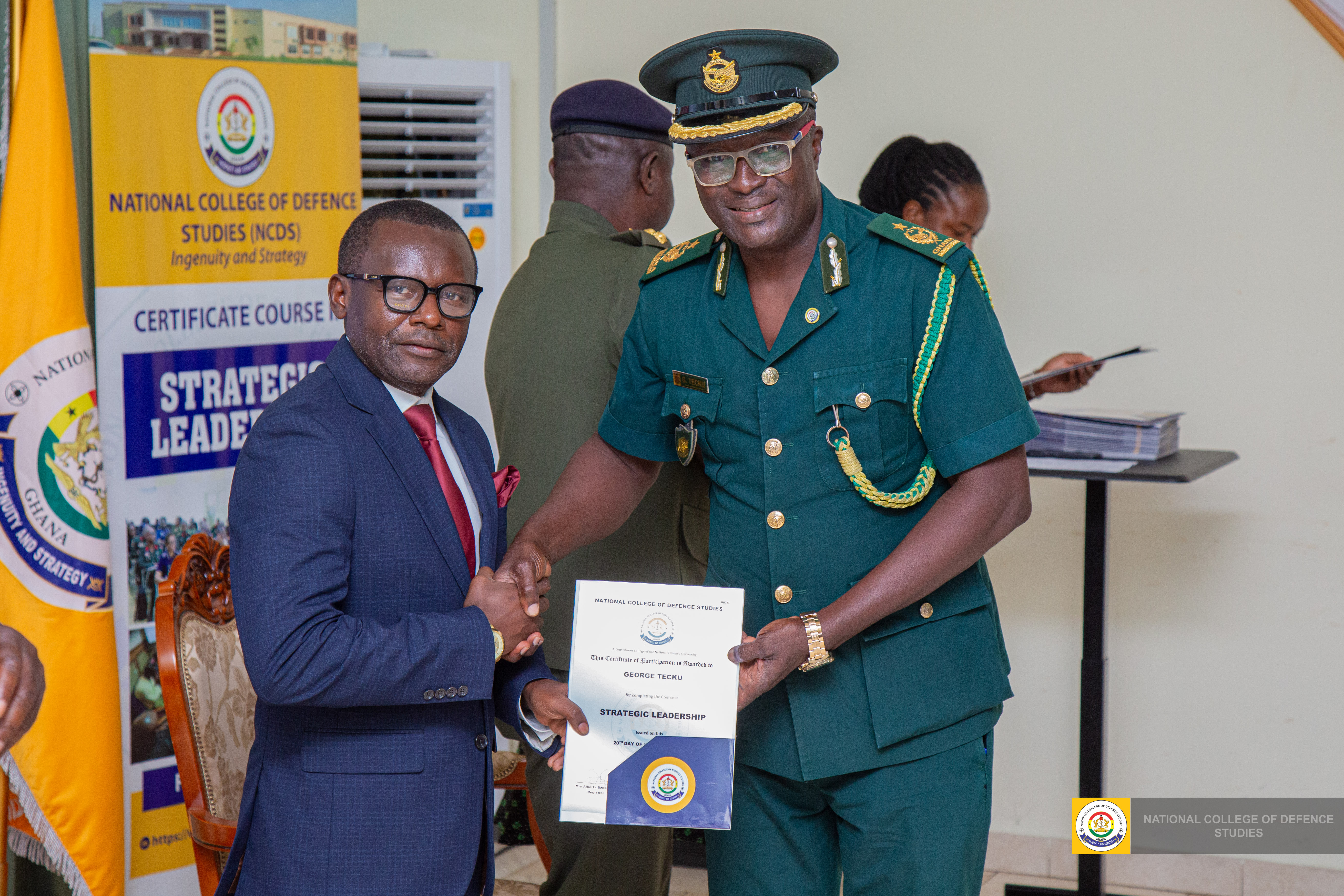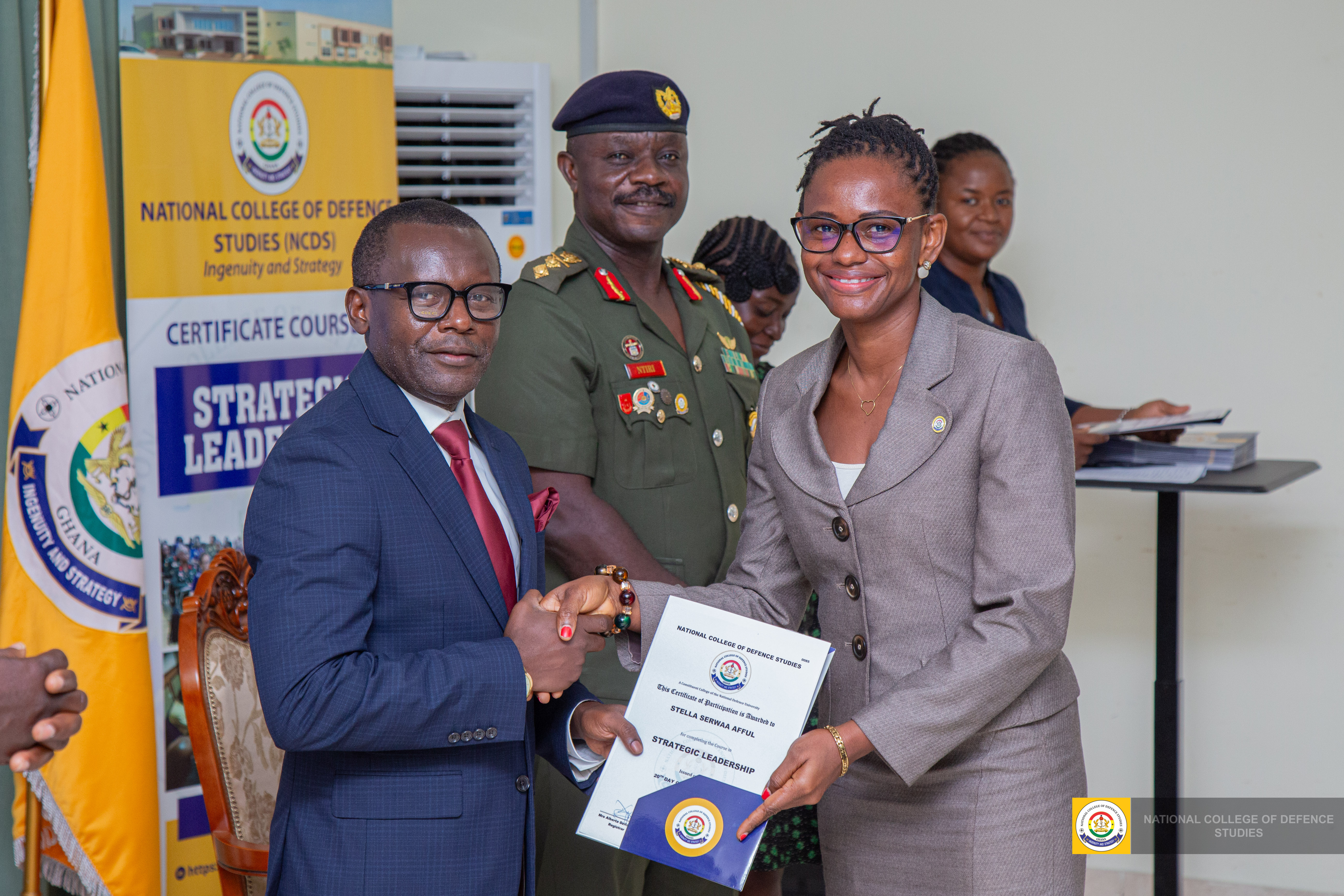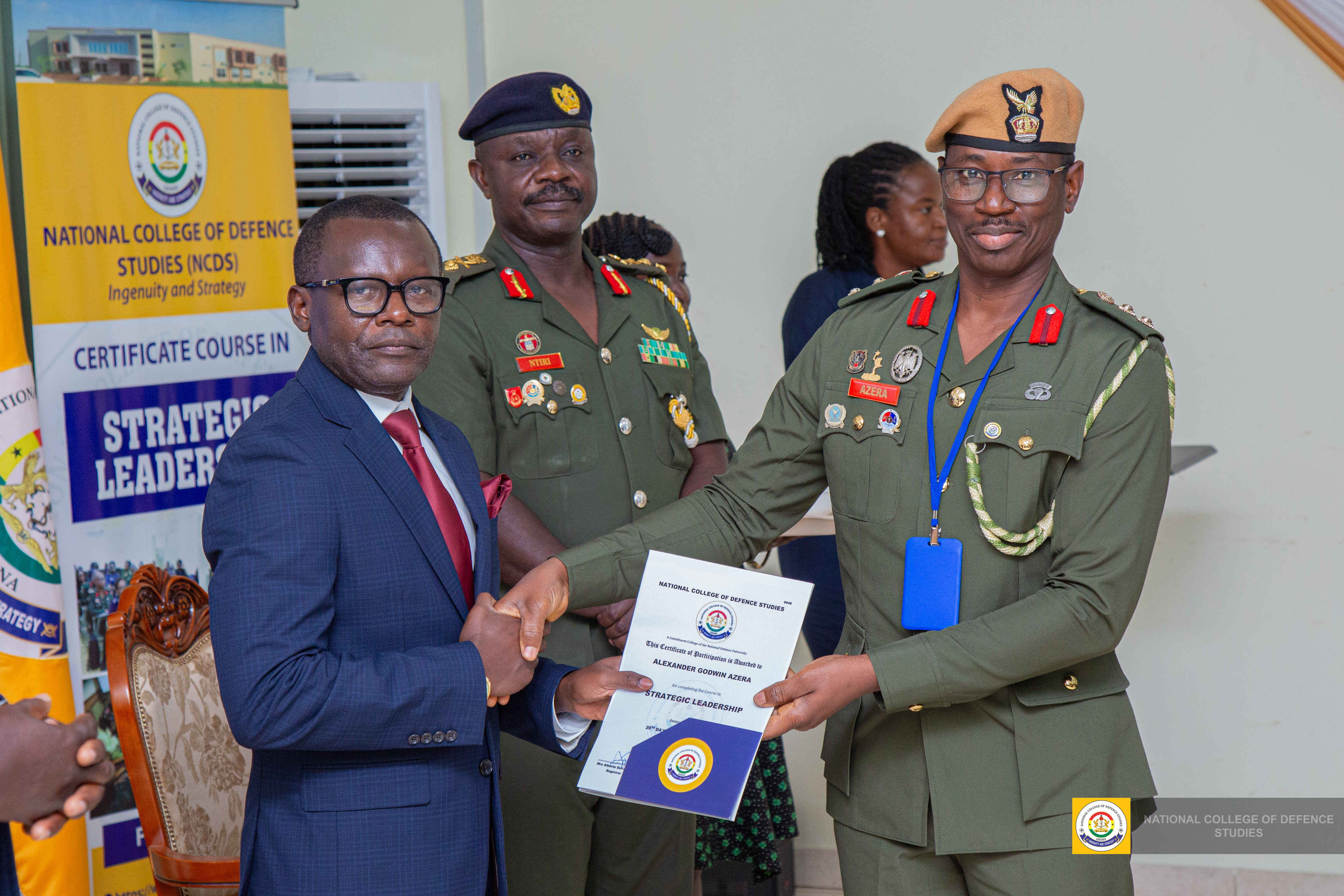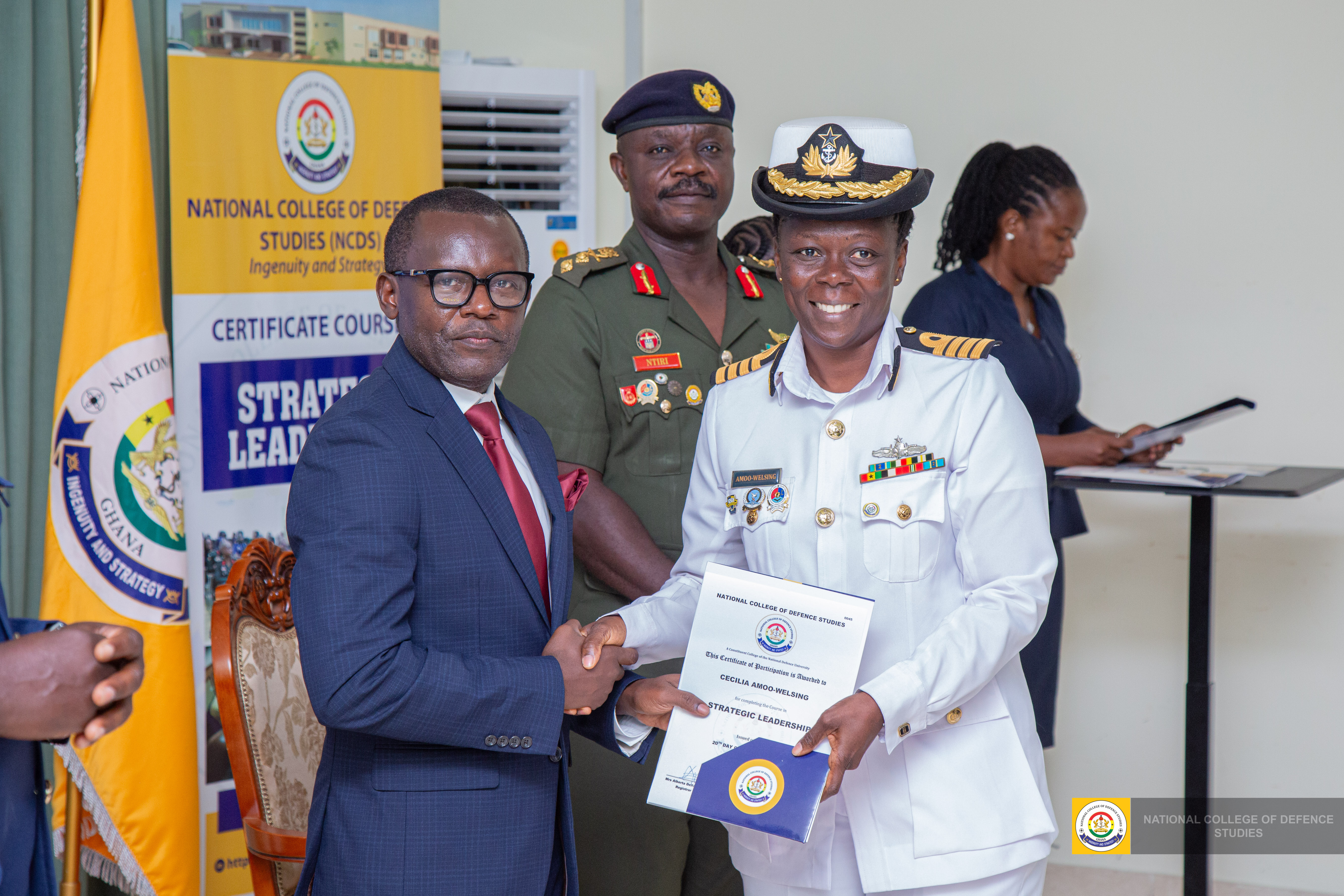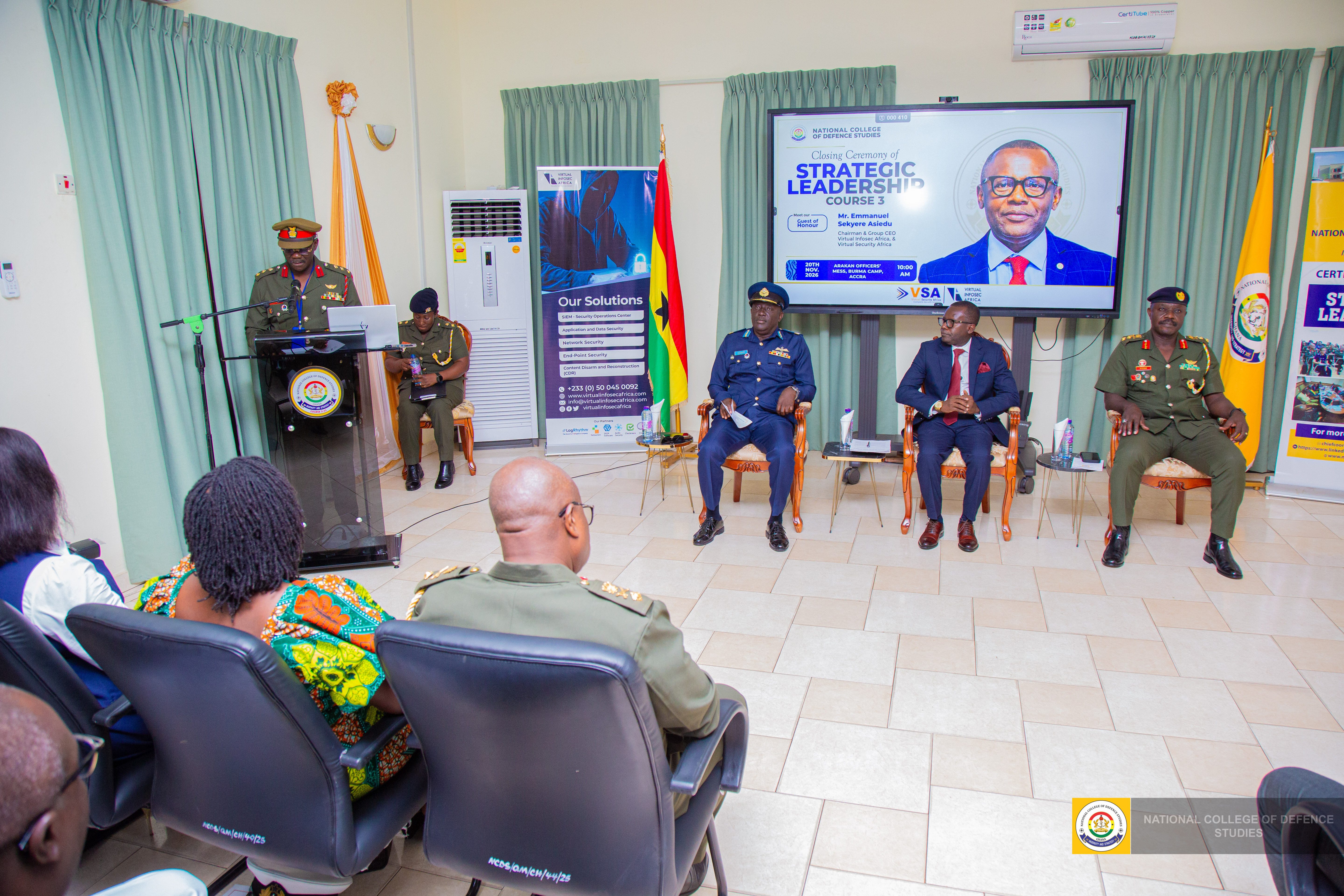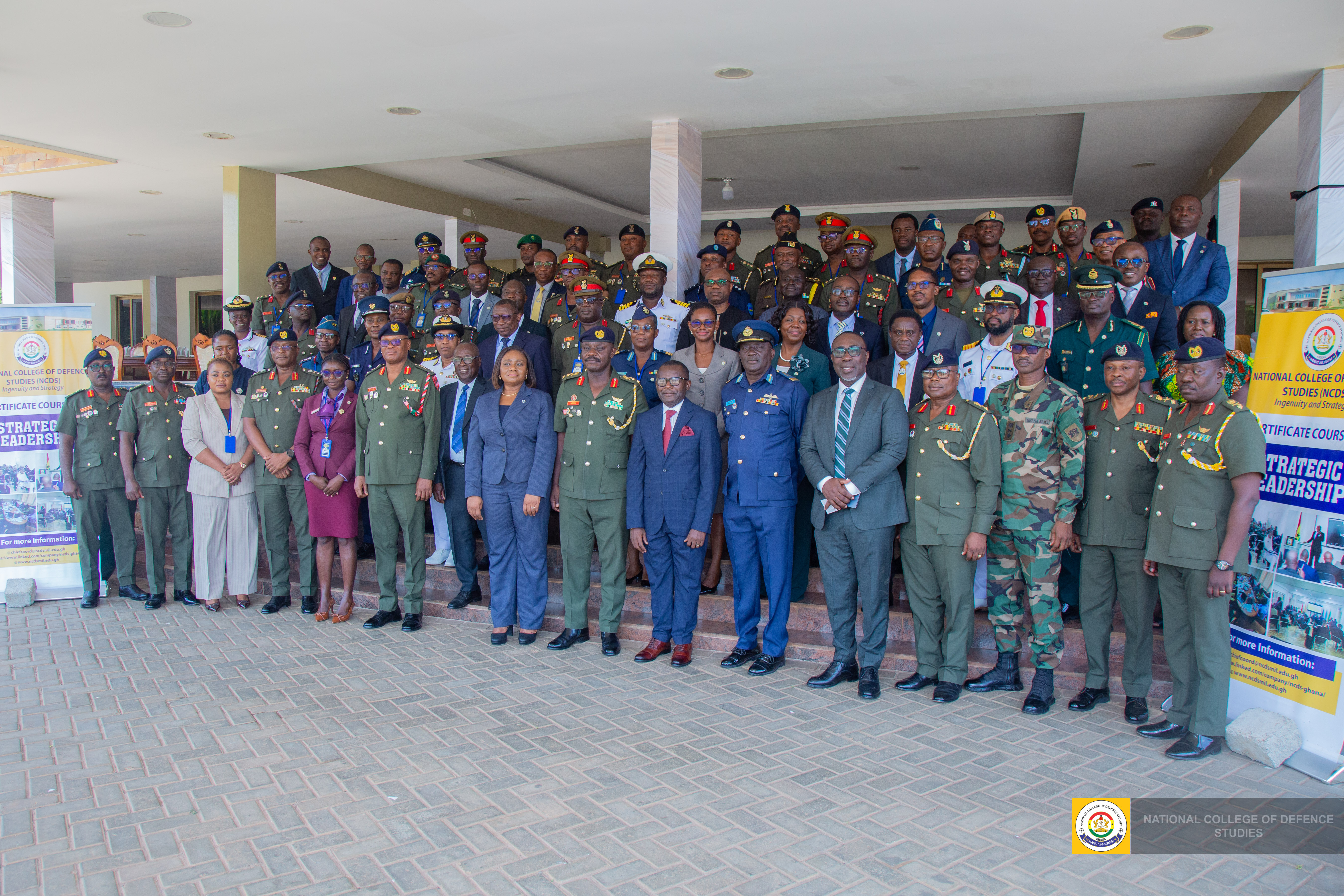
The National College of Defence Studies (NCDS) has held a closing ceremony for participants of the Strategic Leadership Course 3 at the Arakan Officers’ Mess in Burma Camp on Friday, 20 November 2026.
The two-week course, which commenced on Monday, 9 November 2026, brought together 51 senior military officers, security personnel and civilian executives from Ghana and other African countries to enhance their strategic leadership competencies and strengthen their capacity to address emerging institutional, national and global challenges. The participants comprised 25 regular students of the College and 26 external participants drawn from various Ministries, Departments and Agencies, security institutions, financial institutions and partner countries, including Malawi, Namibia, Nigeria, Rwanda and Zambia.
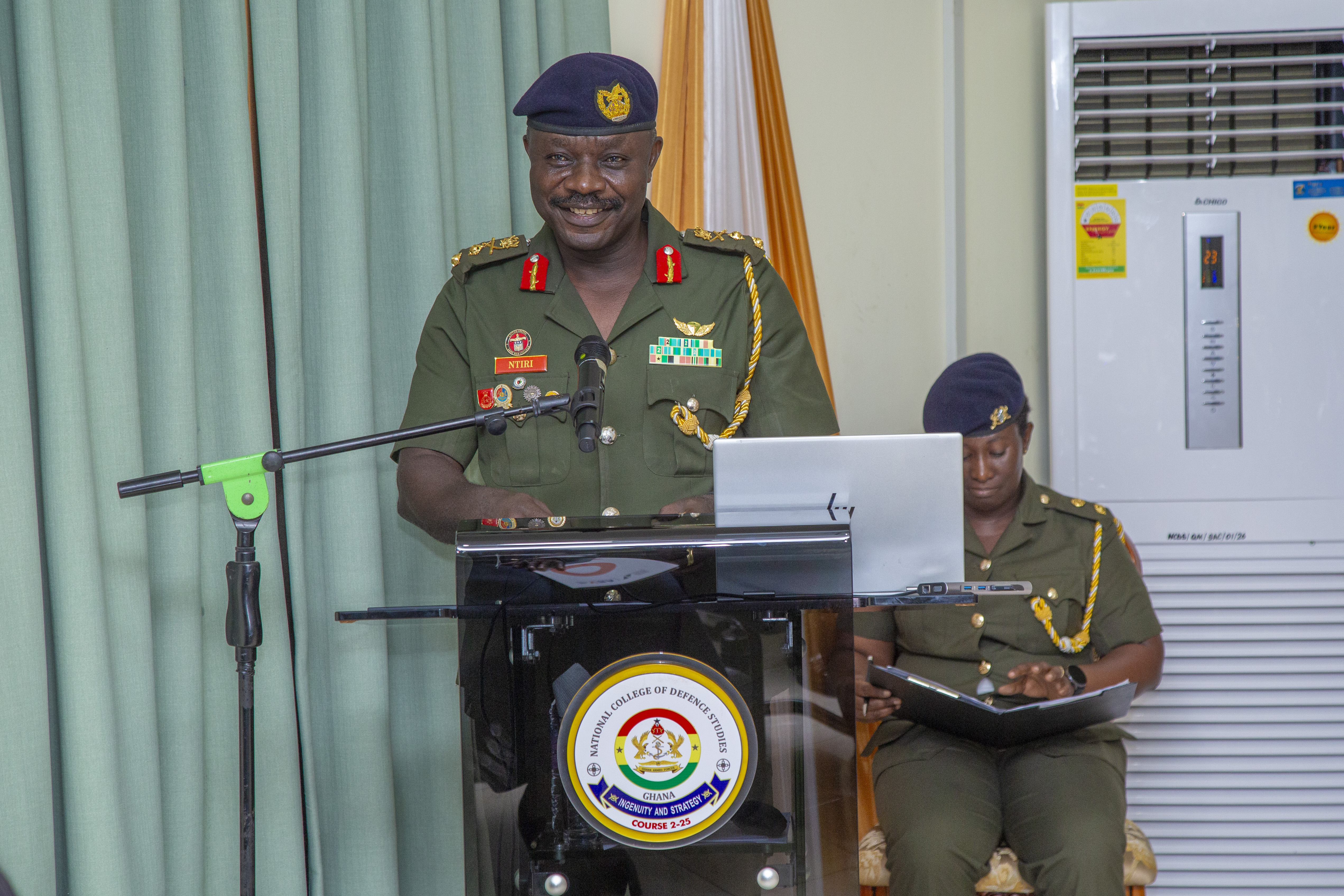
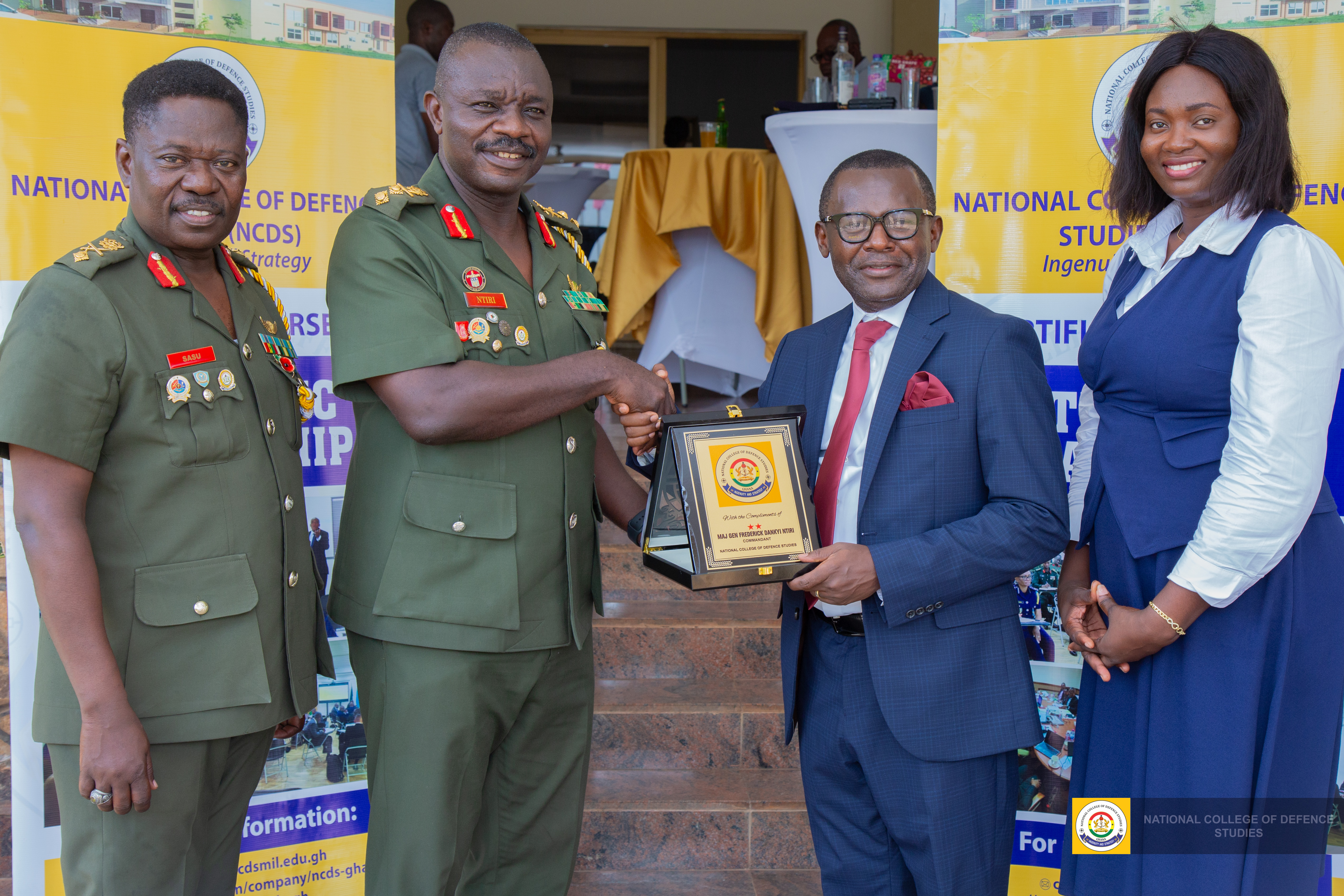
In his remarks, the Commandant of NCDS, Major General Frederick Dankyi Ntiri, underscored the importance of collaboration among the military, security agencies and civil institutions in addressing contemporary security and governance challenges.
Quoting the African proverb, “If you want to go fast, go alone; if you want to go far, go together,” Major General Ntiri explained that the College's decision to incorporate external and international participants was aimed at promoting civil-military cooperation, facilitating knowledge exchange and building sustainable professional networks across institutions and countries.
He observed that developing strategic leaders was no longer merely desirable but an essential requirement for the survival and sustainability of institutions and nations. He therefore urged participants to translate the knowledge and competencies acquired into practical actions that would positively influence their respective organisations.
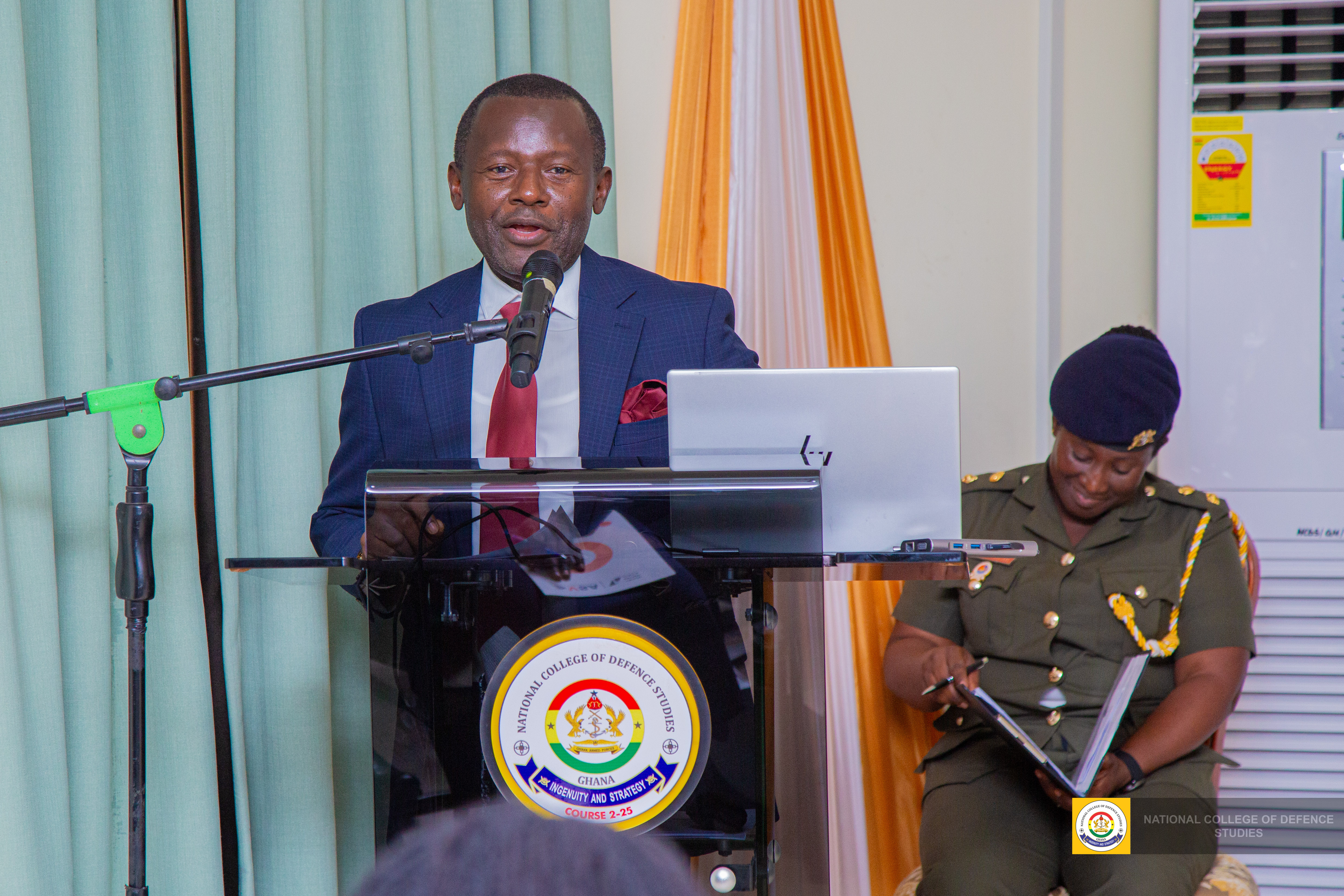
Delivering the keynote address as Guest of Honour, the Chairman and Group Chief Executive Officer of Virtual Infosec Africa and Virtual Security Africa, Mr Emmanuel Asiedu Sekyere, highlighted the importance of strategic foresight, institutional resilience and ethical leadership in navigating an increasingly complex technological and economic environment.
Drawing on his corporate experience, particularly his organisation's response to the COVID-19 pandemic through deliberate business continuity planning and its subsequent expansion into managed cybersecurity services across Africa, Mr Sekyere urged participants to complement strategic vision with effective planning and disciplined execution.
He further highlighted Robert Simons' four levers of control, namely belief systems, boundary systems, diagnostic control systems and interactive control systems, emphasising that integrity and ethical leadership must remain central to effective institutional management. He encouraged the participants to translate the knowledge acquired into practical initiatives that would promote organisational efficiency and national development.
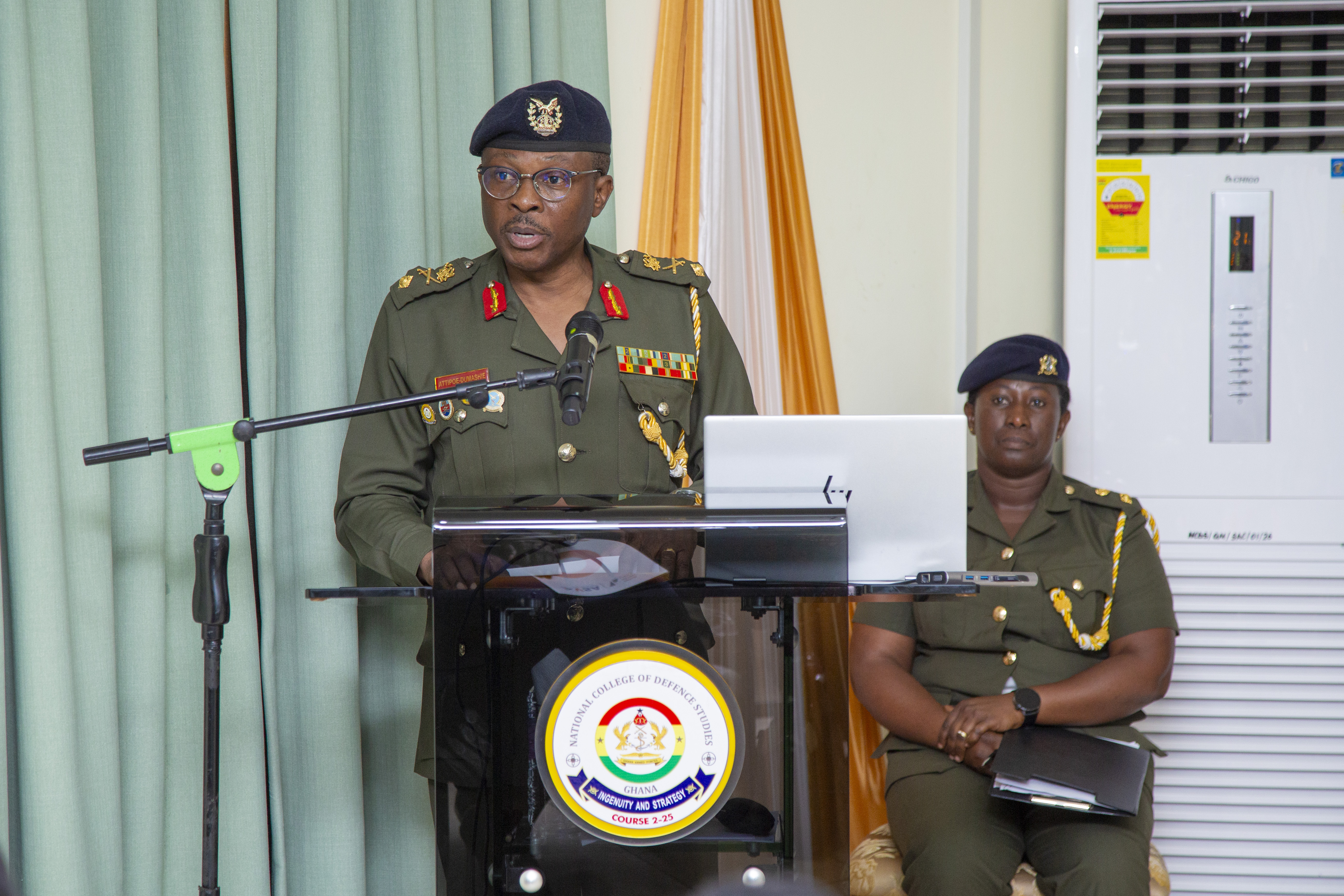
Presenting the course report, the Course Coordinator, Brigadier General Wellington Attipoe-Dumashie, stated that the 26-lesson programme was delivered through lectures, panel discussions, case studies and an executive leisure health walk. The curriculum covered key areas including strategic thinking, ethical leadership, digital-age leadership, negotiation and resilient leadership in volatile and uncertain environments.
The report also highlighted the need to improve gender representation in future courses, indicating that seven of the 51 participants were women. It therefore recommended deliberate efforts by the College and nominating institutions to encourage greater female participation in subsequent programmes.
Speaking on behalf of the graduating participants, the Course Representative, Colonel James Kofi Narteh Amenyah, expressed appreciation to the Commandant, faculty members, resource persons and support staff for their dedication and contributions towards the successful conduct of the course.
He noted that the programme had broadened participants' perspectives, challenged existing assumptions and equipped them with relevant knowledge and skills to address complex leadership challenges. He assured that the graduates would apply the lessons acquired in their respective institutions to promote ethical governance, organisational transformation and national development.
The successful completion of the course underscores the College’s commitment to developing strategic leaders with the requisite knowledge, skills and competencies to contribute meaningfully to national cohesion, security and sustainable development.