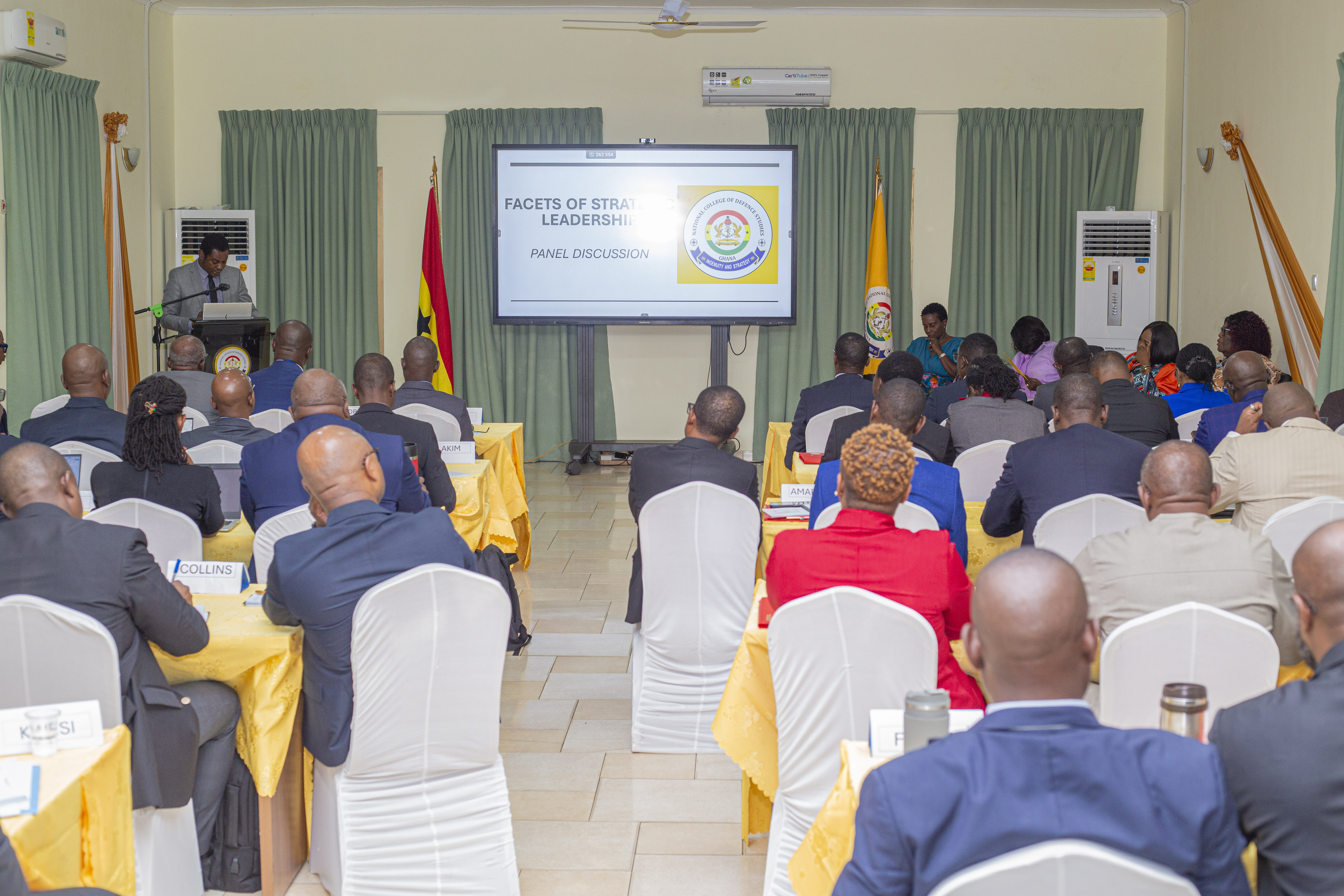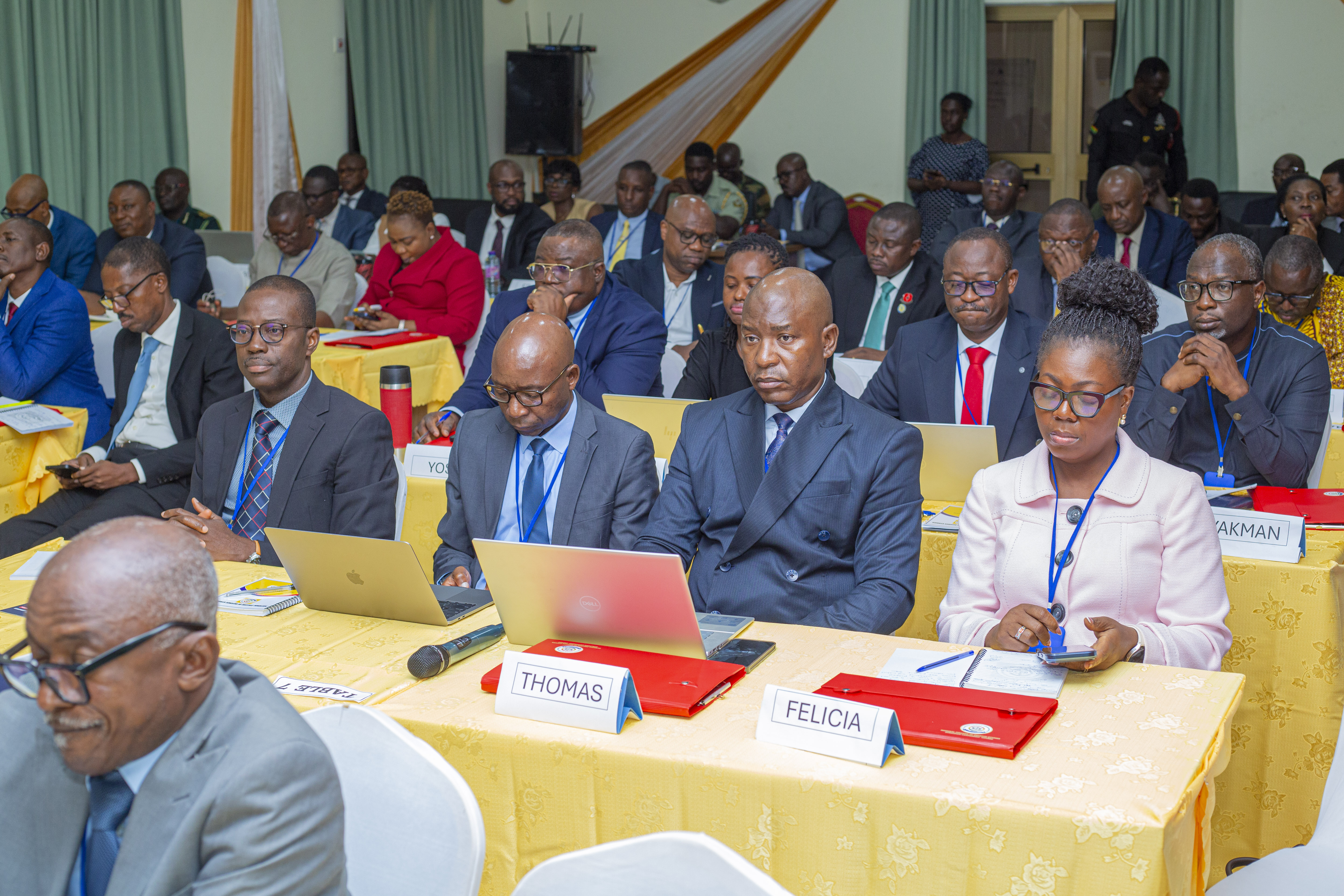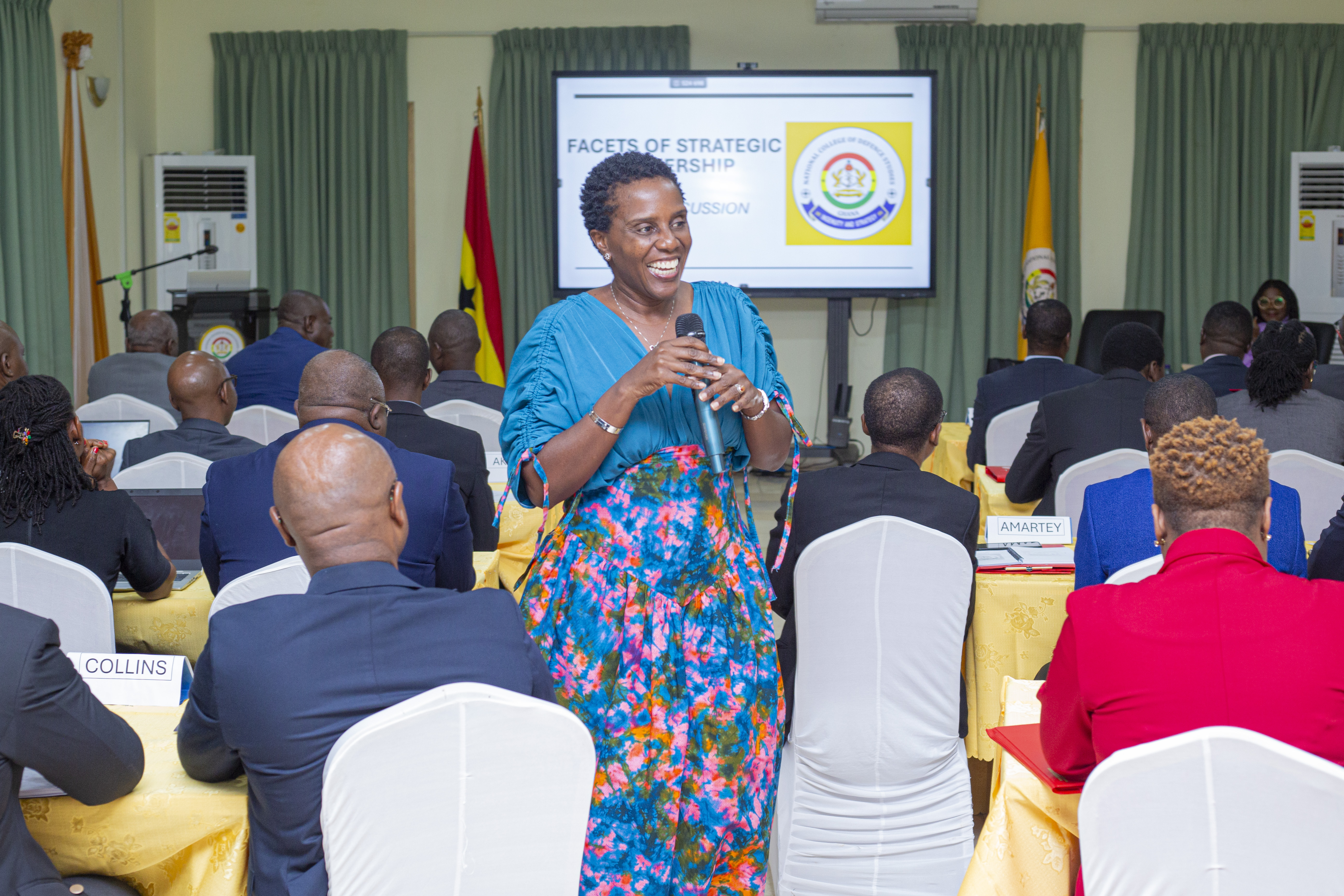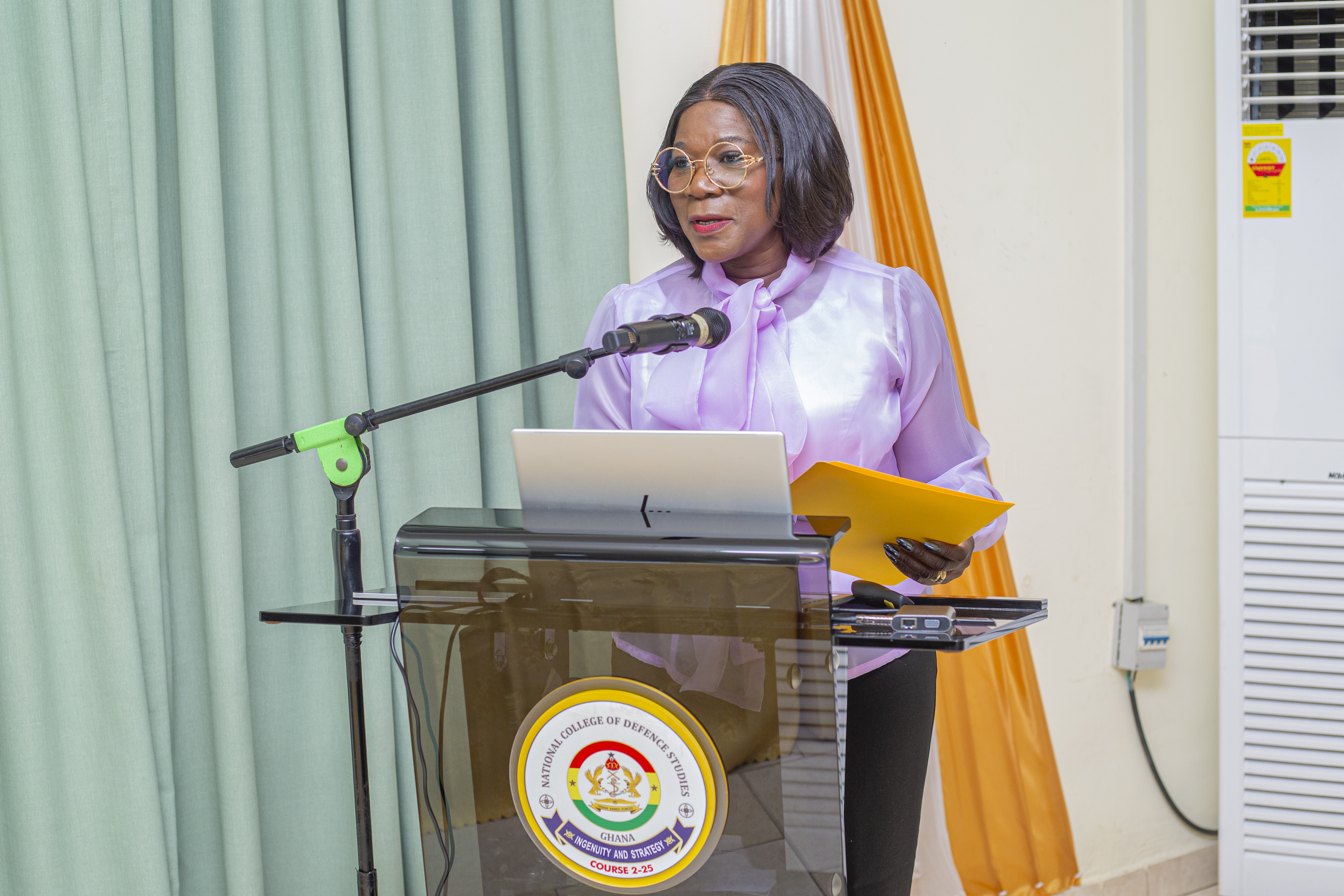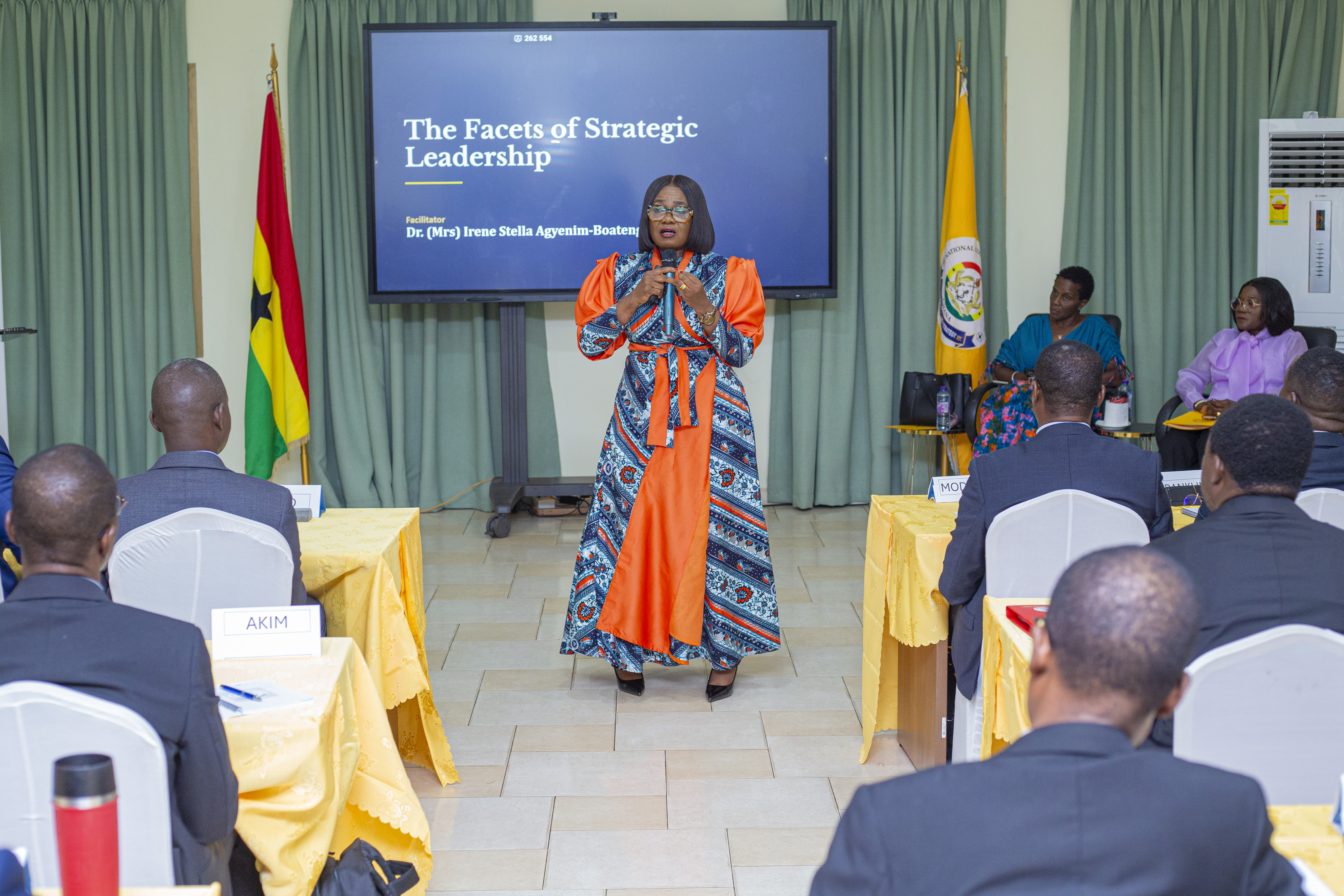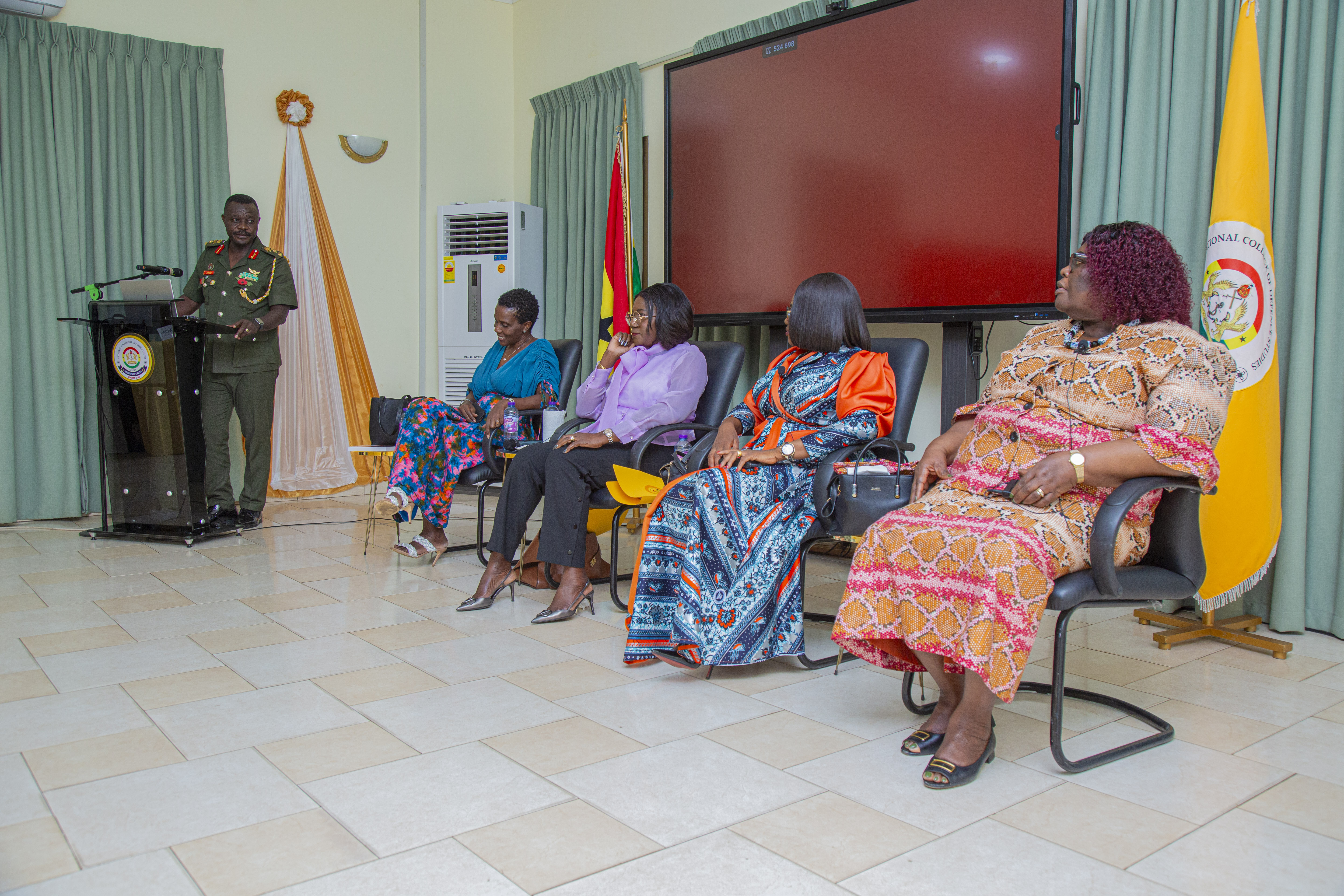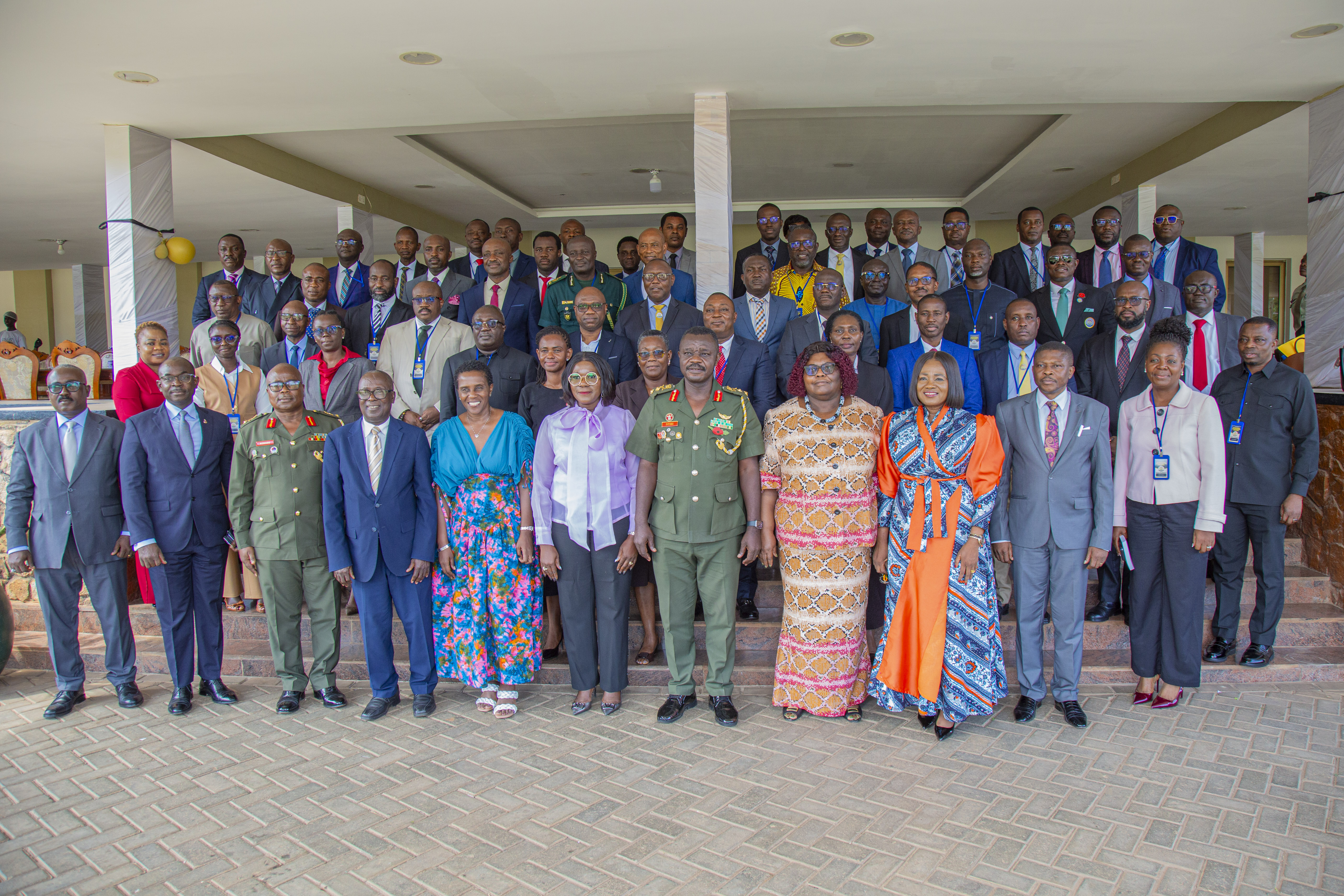
The National College of Defence Studies (NCDS) has held a panel discussion on the theme “Facets of Strategic Leadership”, focusing on gender perspectives, leadership and management in the public and private sectors, as well as the multidimensional aspects of effective leadership.
The discussion, held on Thursday, 12 November 2026, at the Arakan Officers’ Mess, examined various dimensions of strategic leadership, with particular emphasis on gender equality, inclusive leadership and effective decision-making within institutional structures.
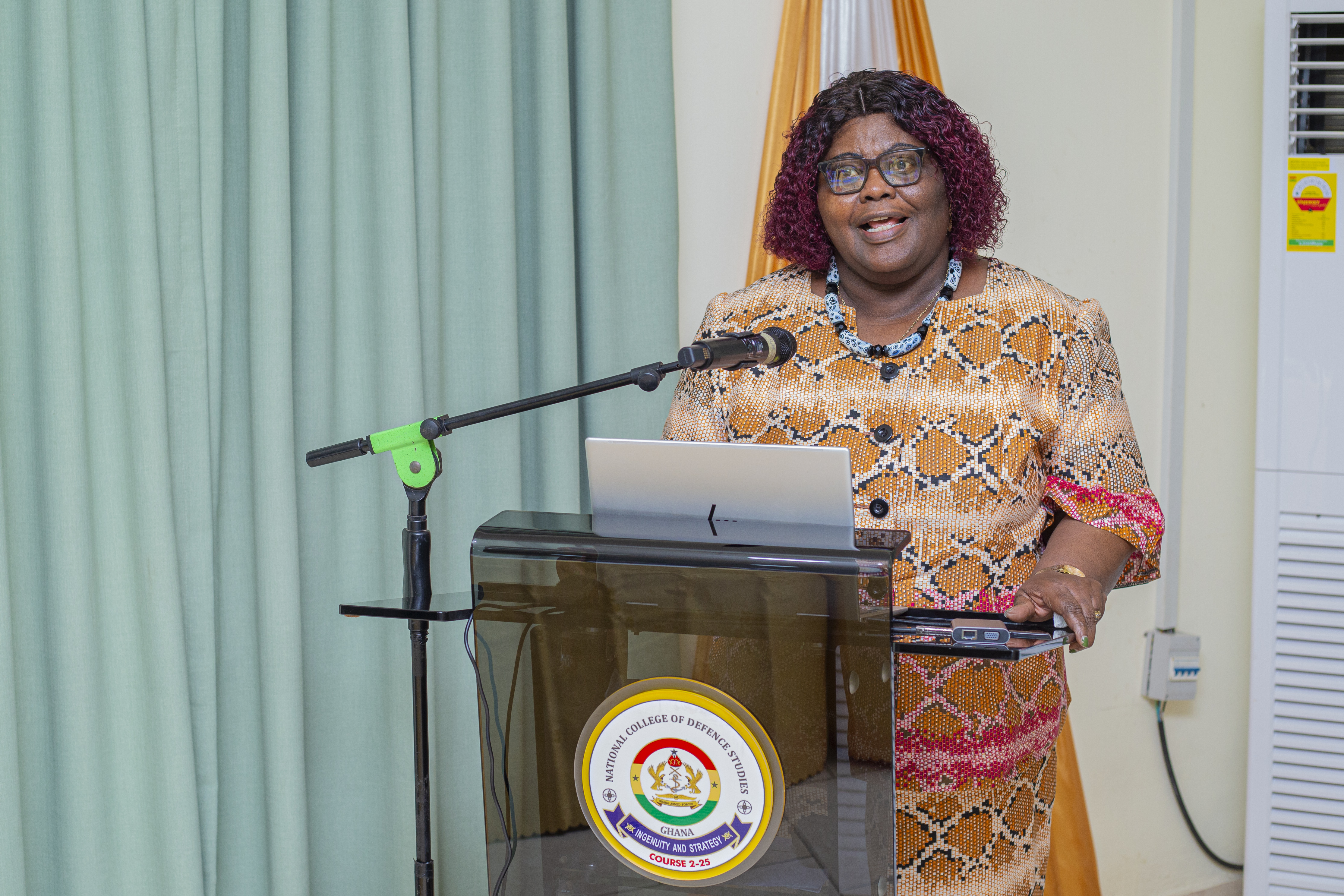
Dr Benionia Aryee, a Business Strategist and consultant, chaired the panel with the distinguished panellists being former Ambassador to Belgium, Ambassador (Mrs) Sena Siaw Boateng; Vice Chairperson of the Public Services Commission, Dr (Mrs) Stella Agyenim Boateng; and Justice of the Supreme Court of Ghana, Her Ladyship Justice Henrietta Mensa-Bonsu.
In their presentations, the panellists shared valuable insights into leadership responsibilities, gender considerations and the need to promote gender equality as an integral component of strategic leadership. They emphasised that gender balance should be a strategic priority, noting that inclusive leadership improves decision-making, strengthens institutional credibility and builds public confidence.
They highlighted examples of women's representation in leadership across the world, including Rwanda's significant representation of women in Parliament and the historic election of Liberia's former President, Ellen Johnson Sirleaf. Despite these achievements, they observed that women's representation in political and decision-making positions remains relatively low in many parts of the world.
The panellists further discussed legal and institutional frameworks aimed at advancing gender equality, including provisions of the 1992 Constitution of Ghana, the Maputo Protocol, the Affirmative Action (Gender Equity) Act, 2024 (Act 1121), and United Nations Security Council Resolution 1325 on Women, Peace and Security. They also examined existing institutional barriers and proposed practical measures to improve women's representation in leadership and decision-making positions.
On the broader requirements of strategic leadership, the panellists explained that effective leaders must possess the competence to operate in increasingly complex and rapidly changing environments. They noted that strategic leaders should be able to anticipate emerging challenges, develop a clear vision, remain adaptable and empower others to drive positive change.
They identified strategic thinking, timely decision-making, integrity, ethical conduct and value-based leadership as essential qualities of effective leaders. They also underscored the importance of collaboration and stakeholder engagement in building partnerships across institutions, sectors and communities to achieve organisational objectives.
The discussion further highlighted the importance of execution and accountability, stressing that strategic plans must translate into measurable results. Leaders were encouraged to align organisational objectives with available budgets, human capital and other resources, establish clear performance indicators and take responsibility for outcomes.
Addressing leadership and management in the public and private sectors, the panellists observed that although the two sectors operate within different institutional environments, effective leadership in both requires strategic planning, adaptability, ethical conduct, collaboration, capacity development and accountability. They encouraged participants to continuously improve their leadership skills through critical thinking, adopting appropriate leadership styles and developing both short-term and long-term plans.
The panellists also examined strategic leadership within multinational environments, noting that it requires a combination of strategic direction, operational oversight, diplomatic engagement and effective management of human and material resources. They explained that leaders in multinational missions must remain accountable to the international community while maintaining effective communication with internal and external stakeholders.
They further outlined the responsibilities of Heads of Missions, which include coordinating activities, mobilising resources from donor communities, overseeing field operations and engaging relevant stakeholders to achieve mission objectives.
The panellists stressed that successful leadership in multinational missions demands personal discipline, integrity and exemplary conduct to maintain the moral authority and credibility of the mission. They cautioned against favouritism, intimidation and discriminatory practices in managing multinational teams, emphasising the need to recruit competent personnel, respect geographical representation and apply organisational rules fairly, irrespective of national or political influence.
The panel discussion forms part of the NCDS's broader efforts to deepen participants' understanding of strategic leadership and equip them with the knowledge, skills and perspectives required to address contemporary leadership challenges across various sectors.
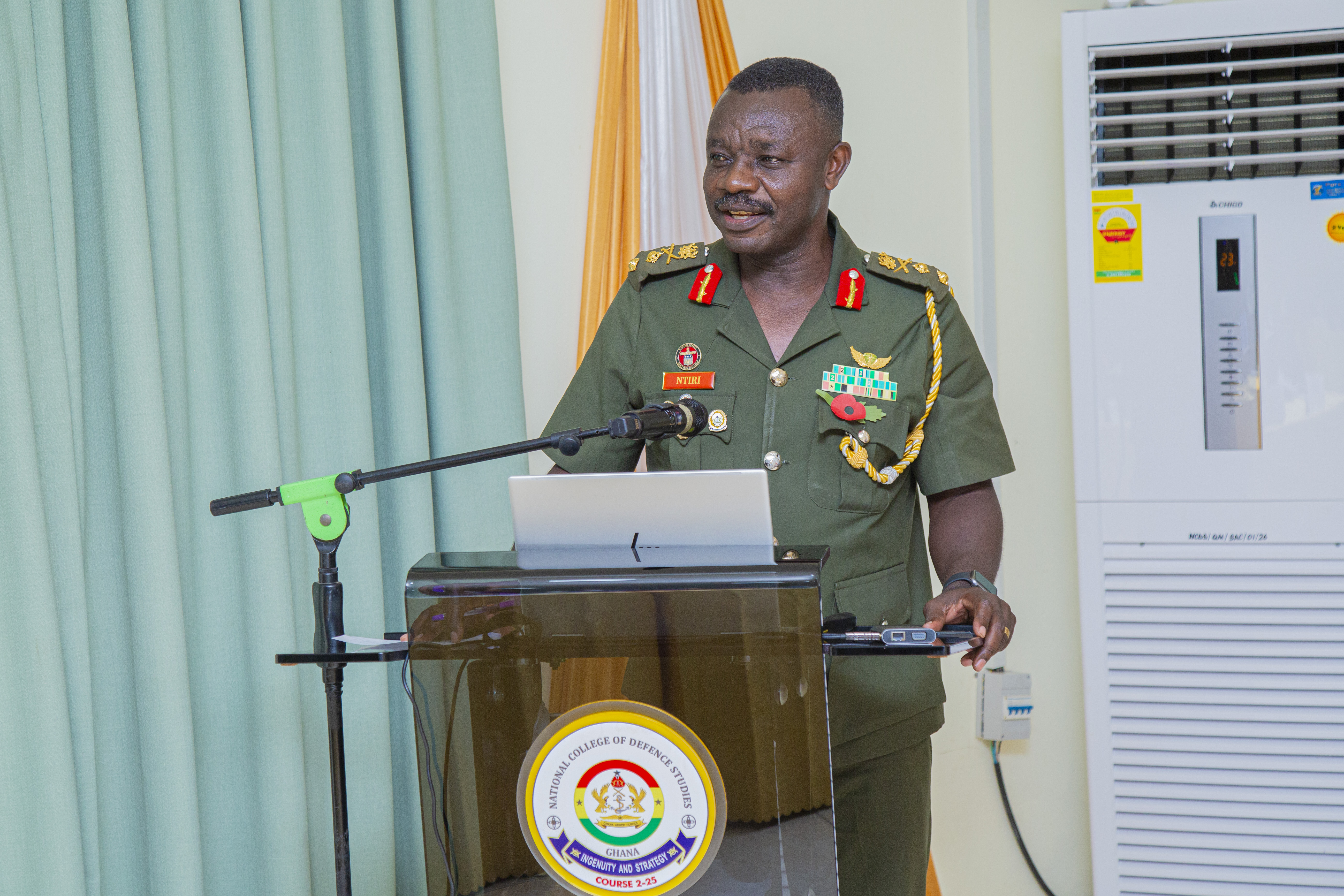
In his remarks, the Commandant of NCDS, Major General Frederick Dankyi Ntiri, expressed appreciation to the distinguished panellists for sharing their wealth of knowledge and professional experiences with the participants. He acknowledged the importance of the insights shared in strengthening participants' appreciation of effective strategic leadership.