NCDS Holds Panel Discussion on Safeguarding Ghana’s Public Purse
The National College of Defence Studies (NCDS) has organised a panel discussion on the theme, “Beyond External Audit and Oversight: Rethinking Strategic Options for Safeguarding the Public Purse in Ghana,” The seminar is part of efforts to promote accountability and strengthen public financial management in the country.
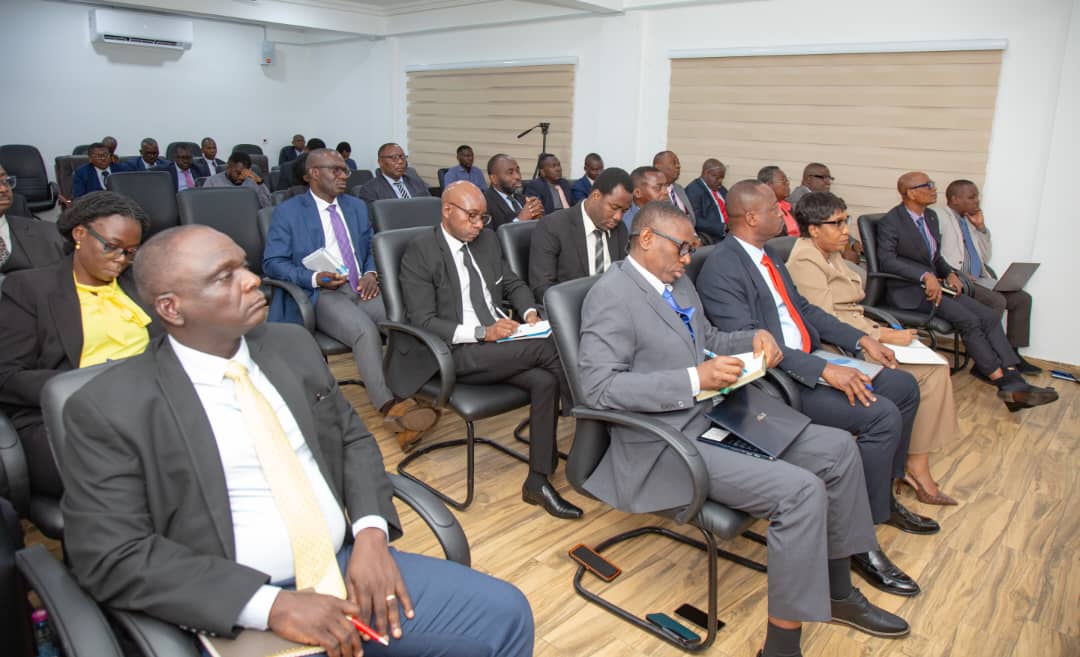
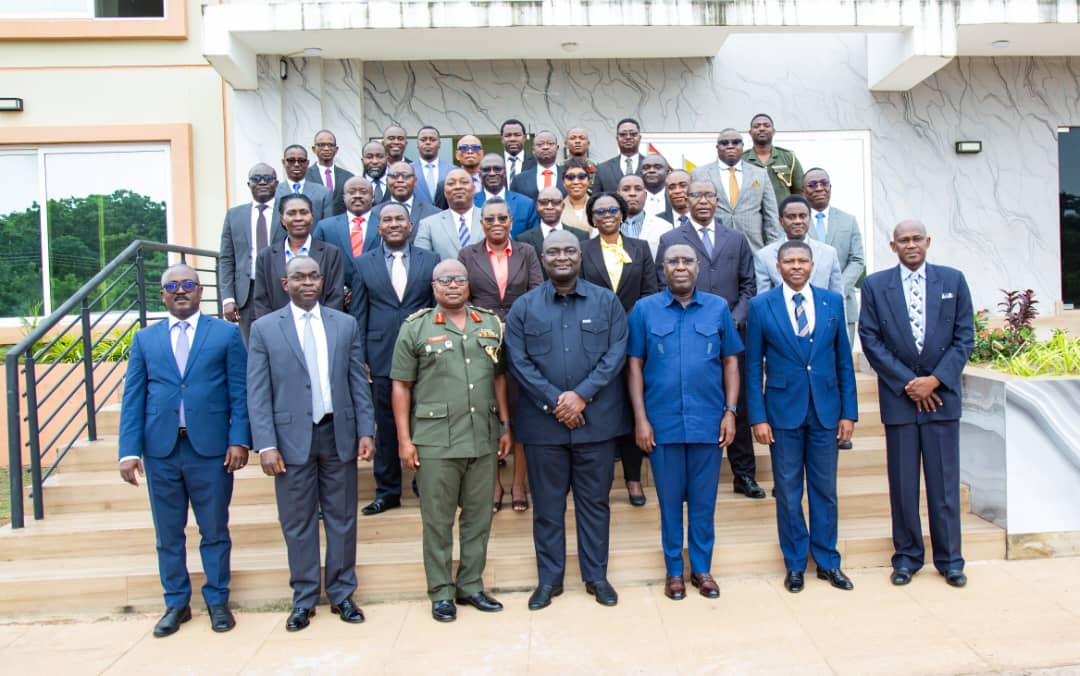
The event, held on Thursday, 16 July 2026, at the College brought together academics, and public finance practitioners to examine practical strategies for addressing financial irregularities and enhancing the protection of public resources.
The discussion sought to promote prudent fiscal management while reinforcing transparency and accountability within Ghana’s public financial management framework.
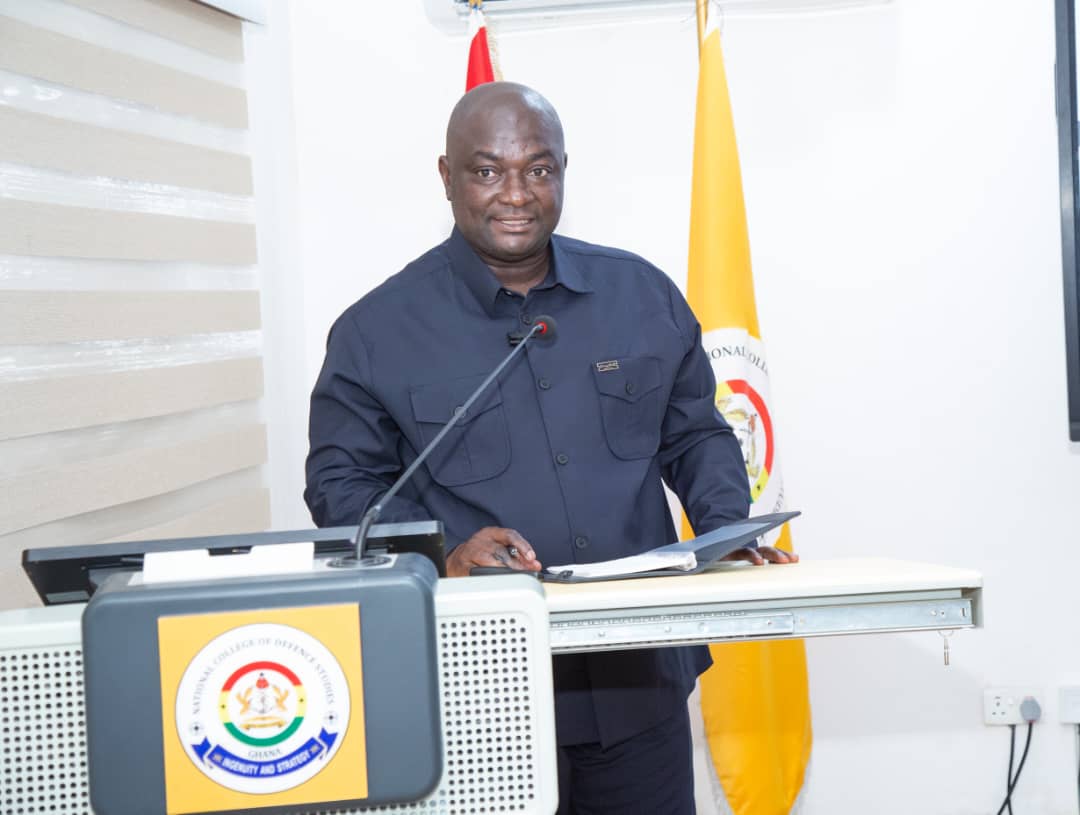
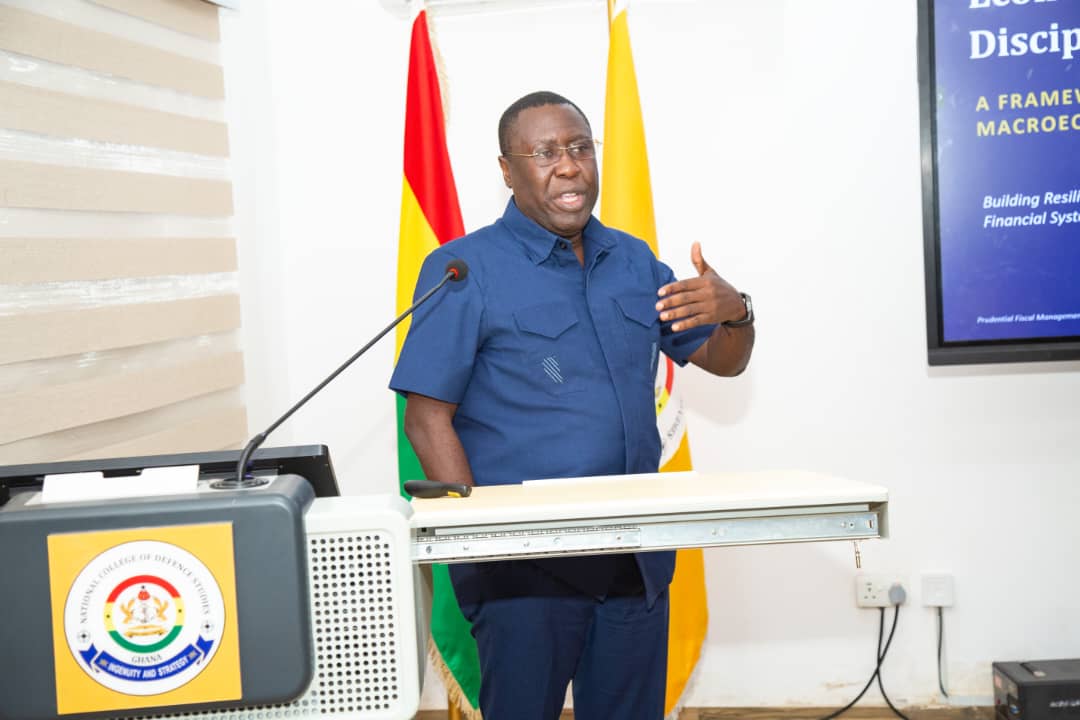
The panel, chaired by the Member of Parliament for Mpraeso Constituency, Hon Davis Opoku Ansah, featured renowned Economist and Deputy MD ADB Professor Ferdinand Ahiakpor and Vice President of IMANI Africa, Mr Bright Simons, as panel speakers.
The panelists underscored the need for stronger collaboration among key accountability institutions, including the Auditor-General’s Department, the Economic and Organised Crime Office (EOCO), the Public Accounts Committee (PAC), the Attorney-General’s and Ministry of Justice lother oversight bodies. They noted that closer institutional cooperation would enhance compliance with public financial laws and improve efforts to safeguard the nation’s resources.
The speakers observed that public confidence in state institutions depends largely on transparency, accountability, and the prudent management of public funds. They referenced to Articles 181 and 187 of the 1992 Constitution, highlighting the constitutional mandate and independence of the Auditor-General in ensuring sound public financial management and effective oversight of public expenditure.
According to the panel, although Ghana has made significant progress in strengthening its legal and institutional framework for financial accountability, persistent financial irregularities, inadequate enforcement mechanisms, and weak monitoring systems continue to undermine national development and the efficient use of public resources.
Participants were introduced to the concept of prudential fiscal management, which was described as the responsible planning, mobilisation, allocation, and utilisation of public resources to ensure fiscal and debt sustainability, efficient public expenditure, revenue optimisation, value for money, and intergenerational equity.
The discussion identified fiscal discipline, medium-term fiscal planning, debt sustainability, transparency, accountability, and effective risk management as the key pillars of prudent fiscal management.
The panel further emphasised that safeguarding the public purse requires a comprehensive approach that goes beyond external audits to include robust internal control systems, digital government platforms, effective governance structures, and strengthened institutional accountability. The speakers explained that Ghana’s governance architecture comprises both political and policy dimensions, involving multiple actors responsible for political decision-making and public policy formulation.
In their concluding remarks, the panelists stressed that protecting the national purse should not be viewed solely as the responsibility of government institutions but as a shared national obligation involving citizens, public institutions, civil society organisations, and all stakeholders committed to promoting good governance and national development.
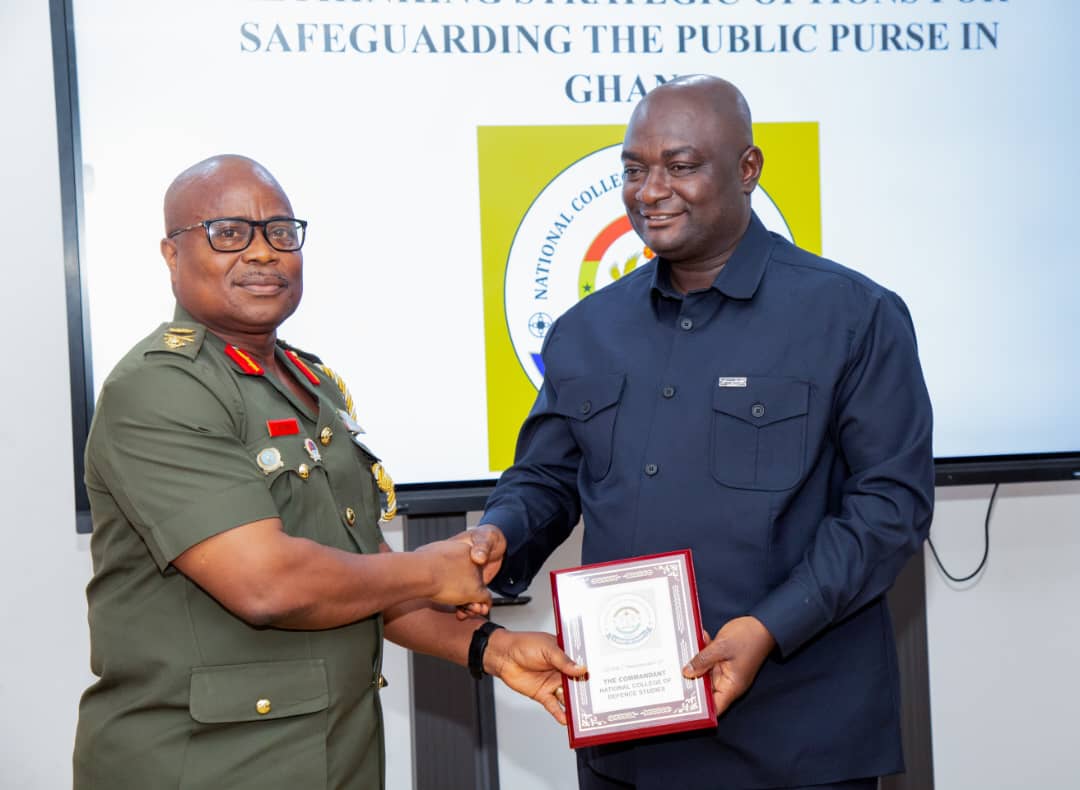
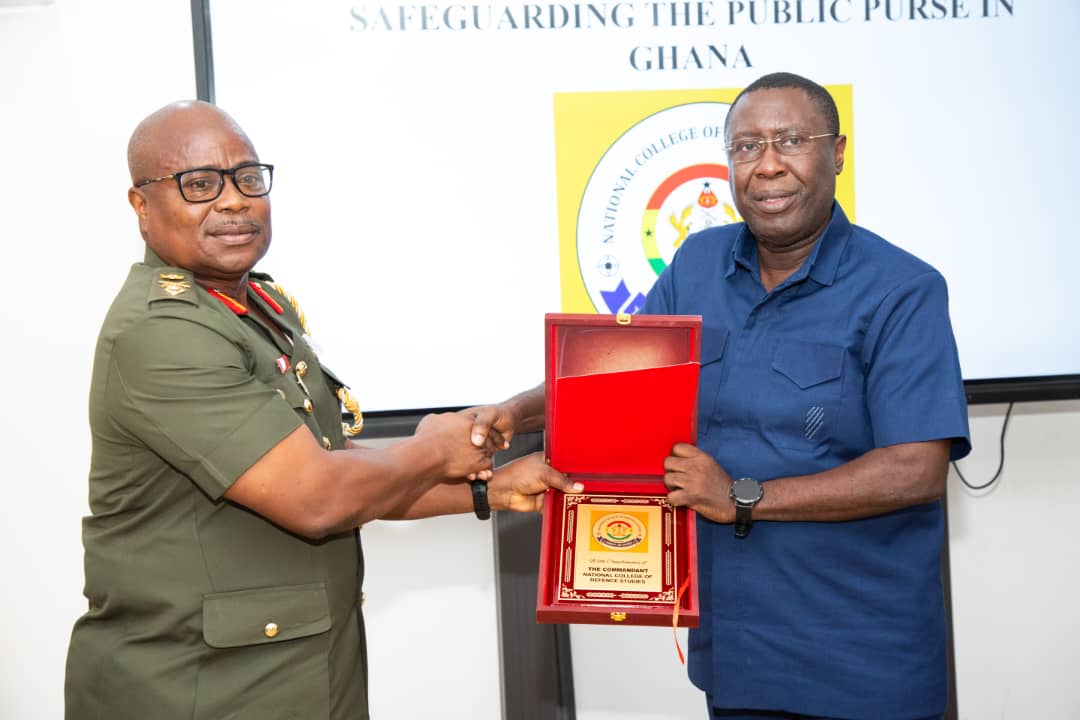
On behalf of the Commandant of the National College of Defence Studies, the Deputy Commandant, Brigadier General Eric Konadu, expressed appreciation to the panelists for sharing their expertise and valuable insights. He commended their contributions to advancing discussions on public financial accountability . He presented plaques to the panelists on behalf of the College in recognition of their participation.