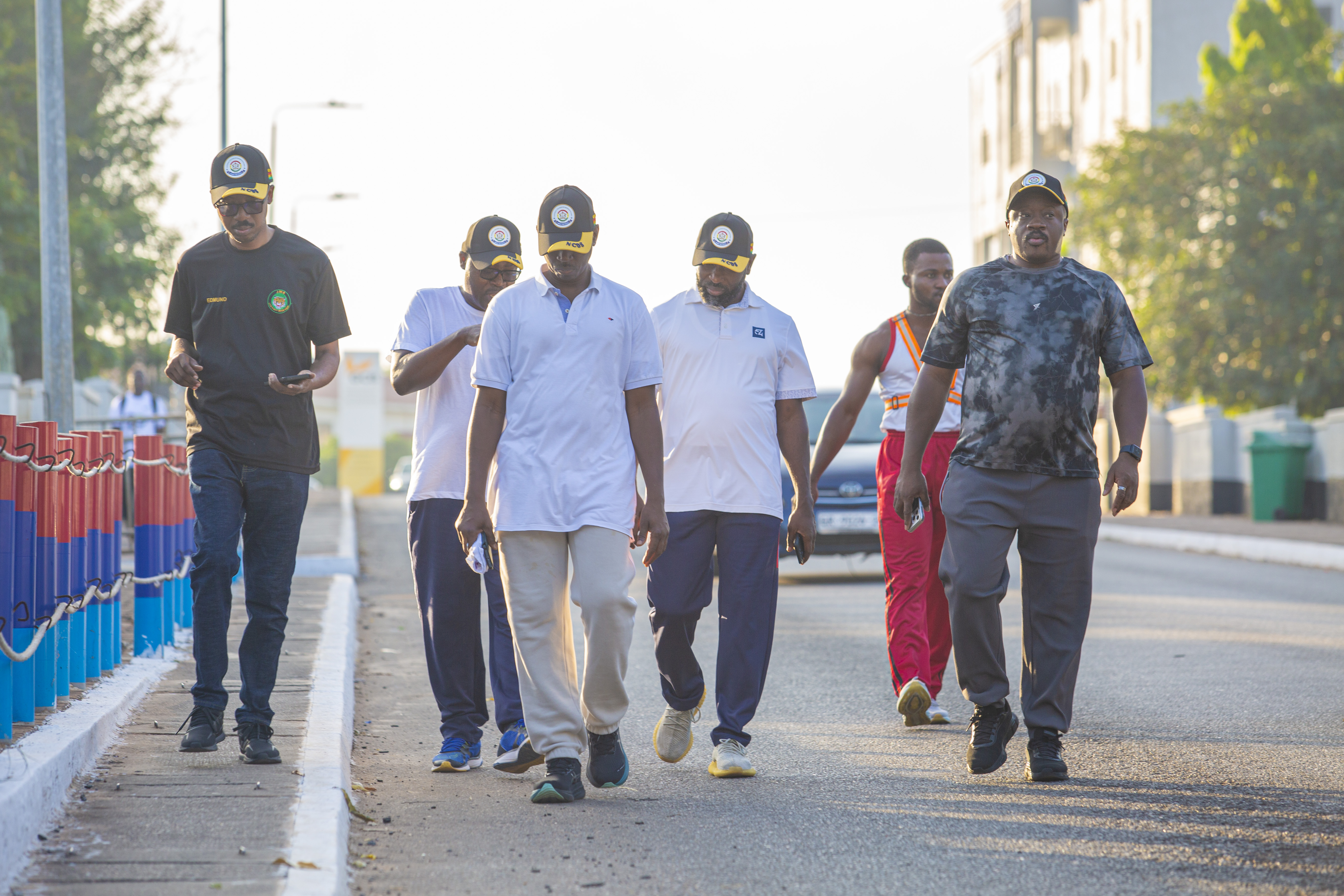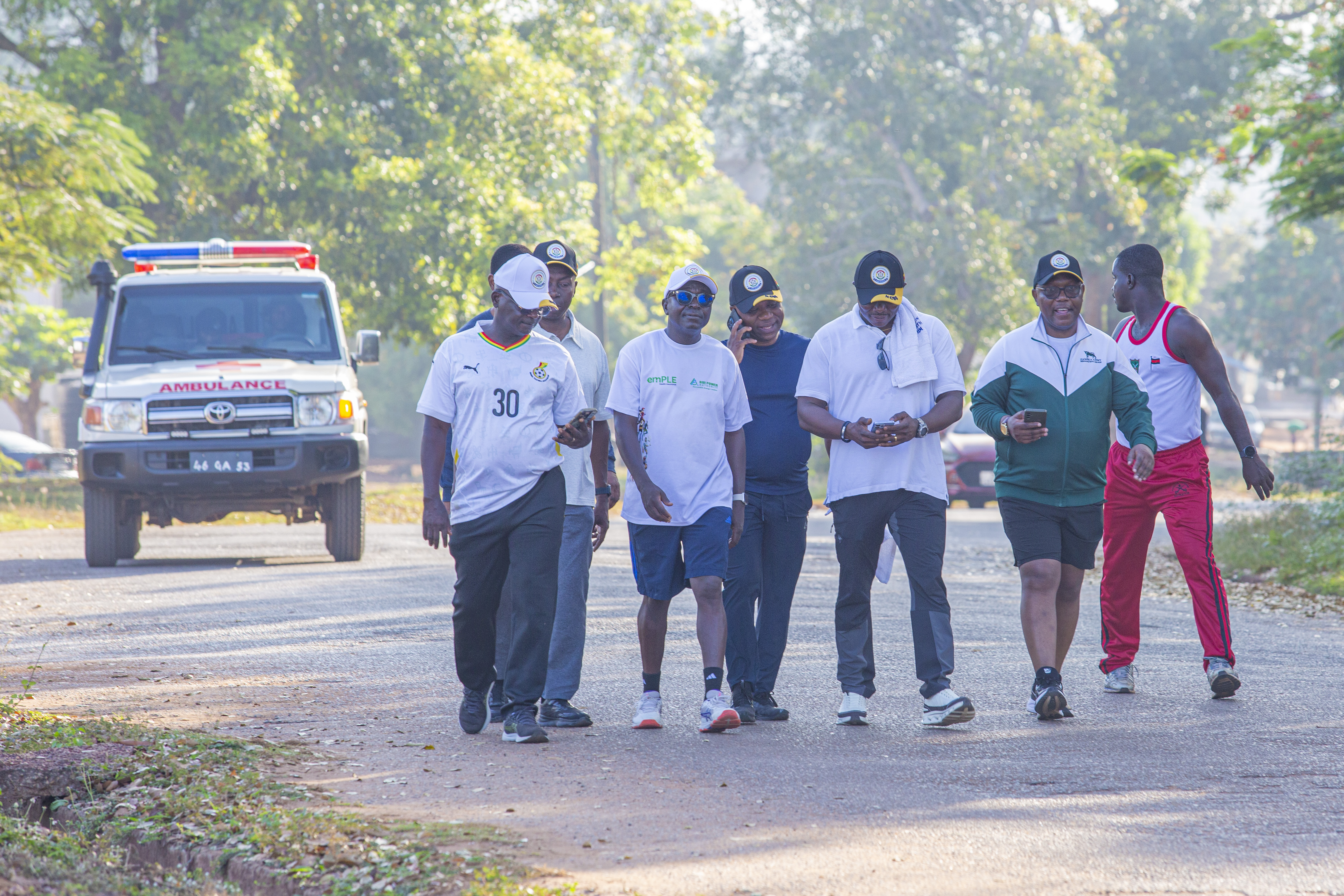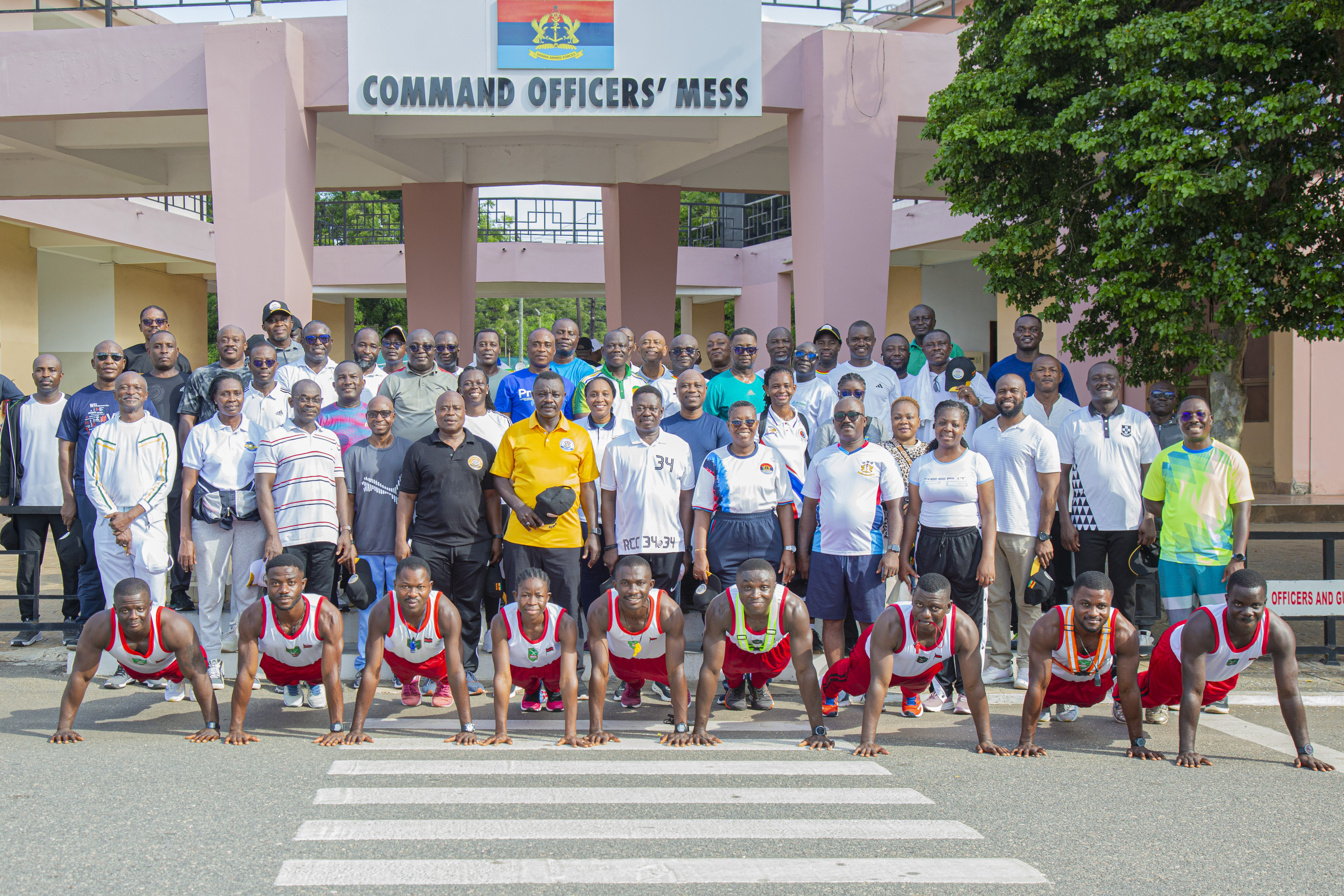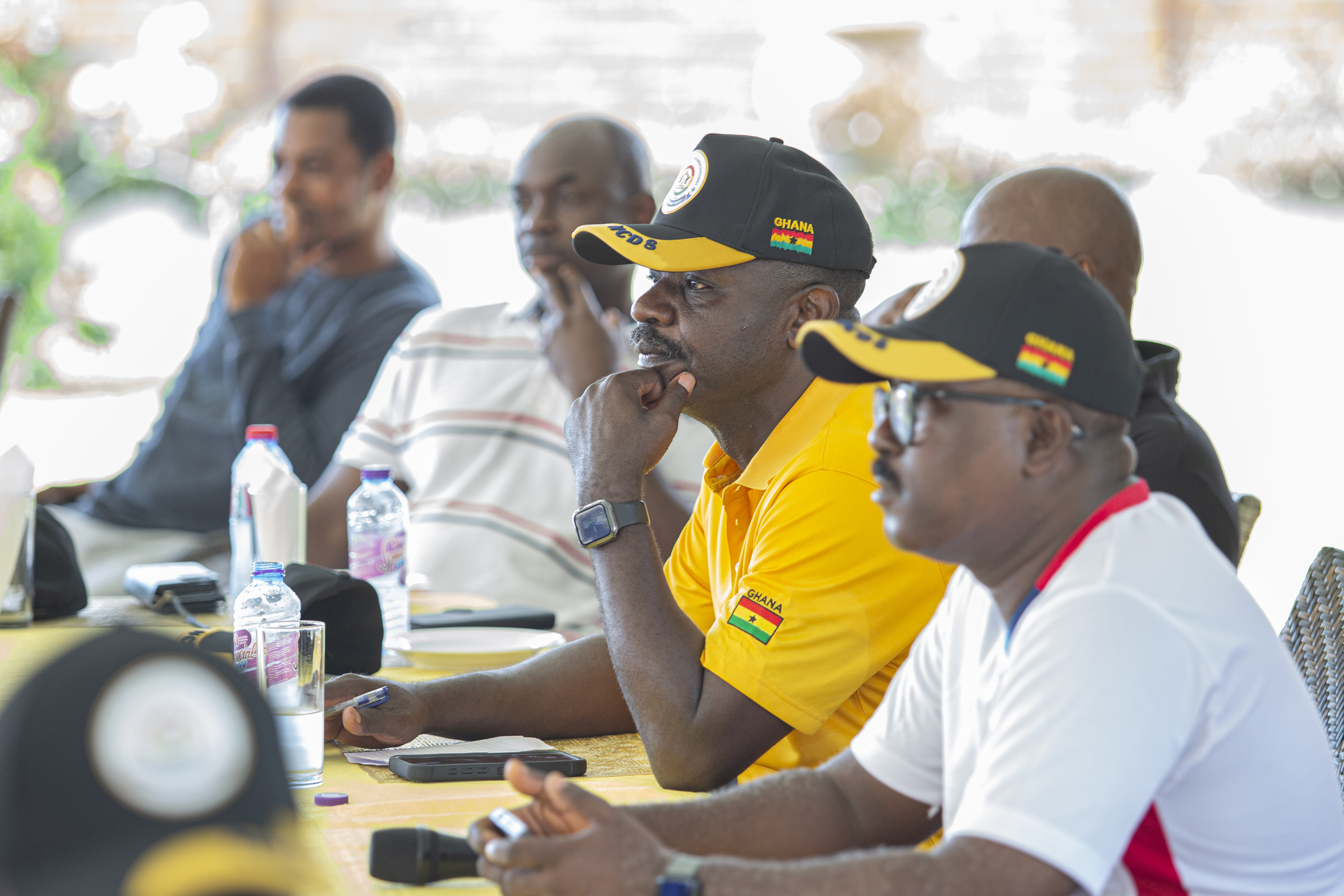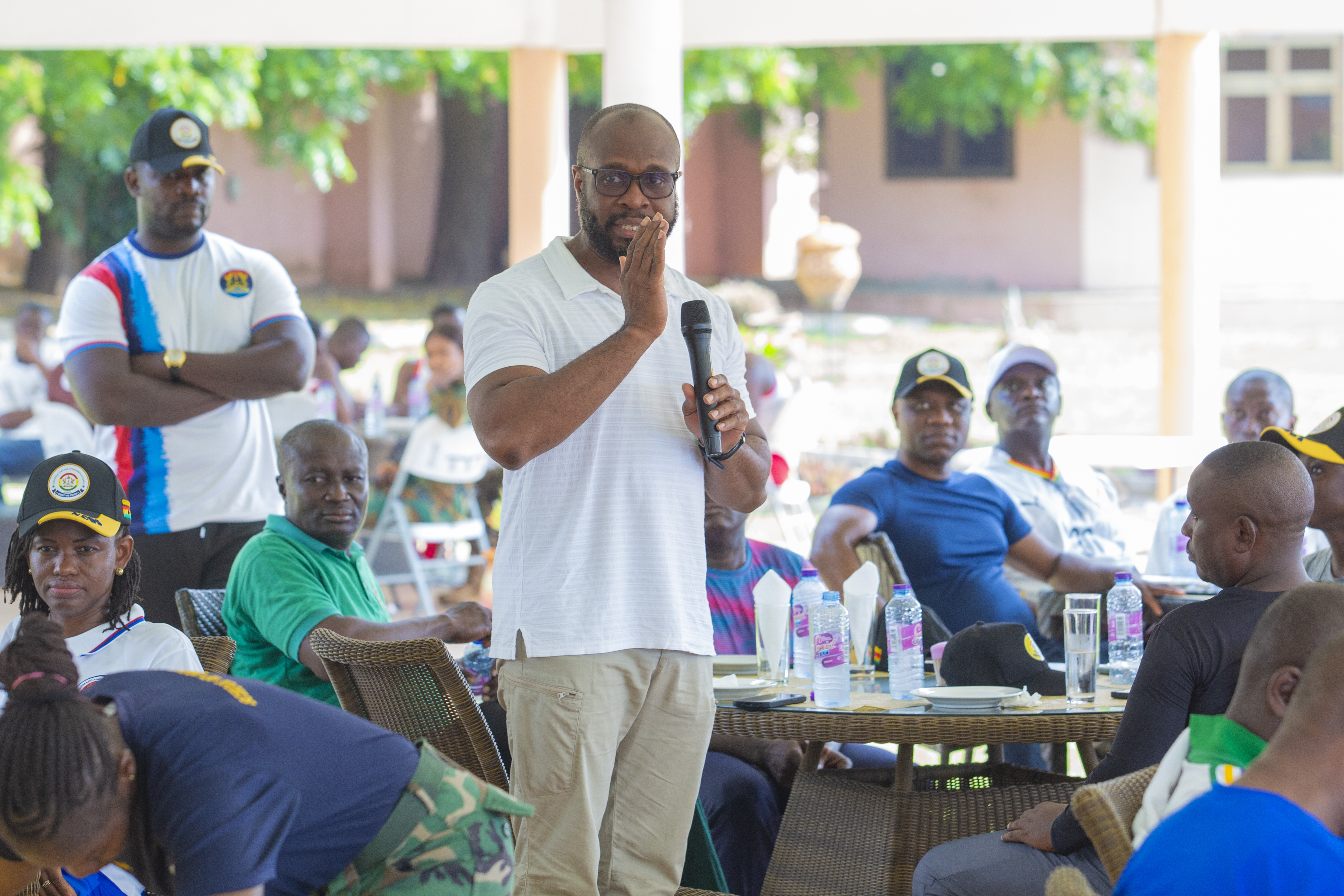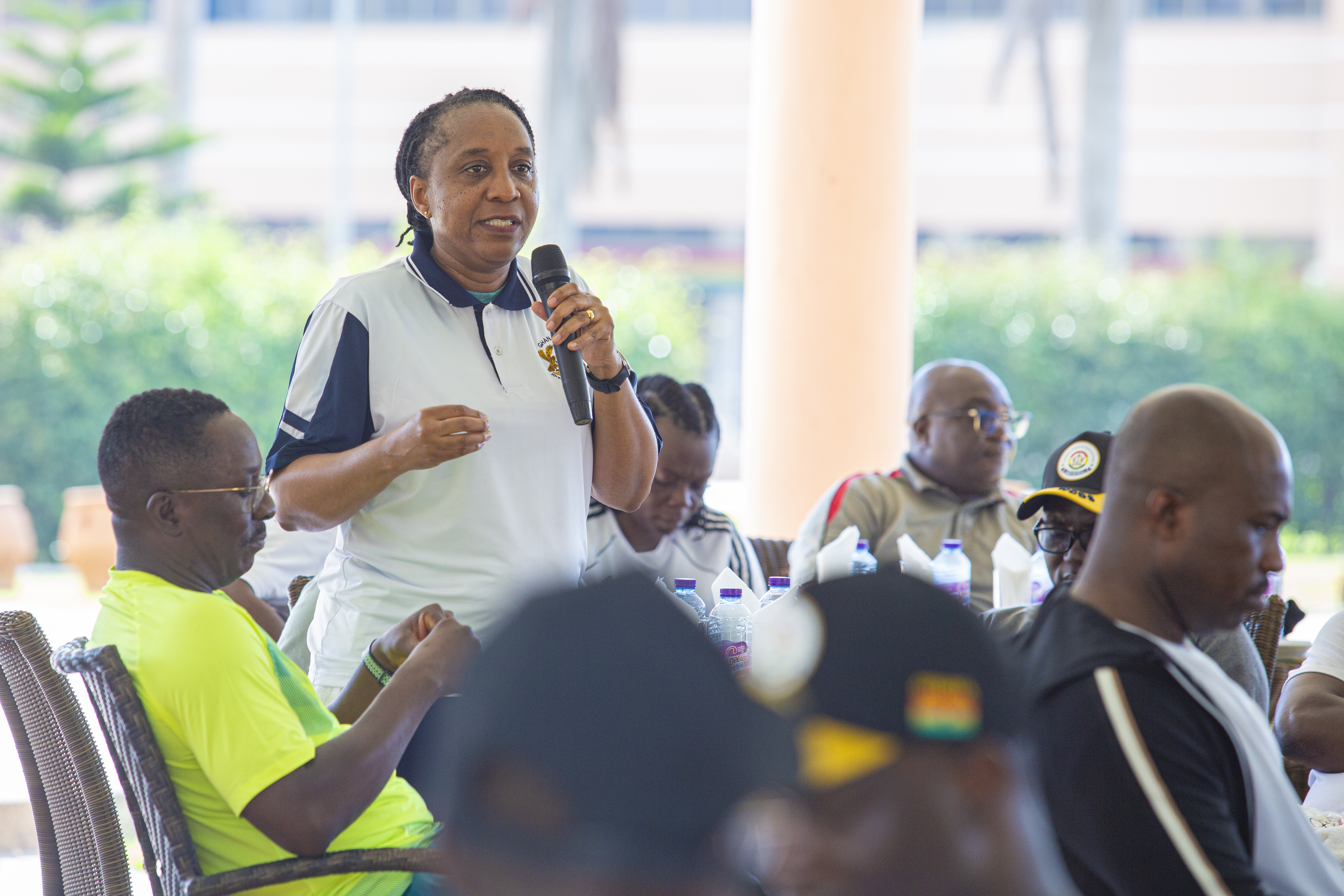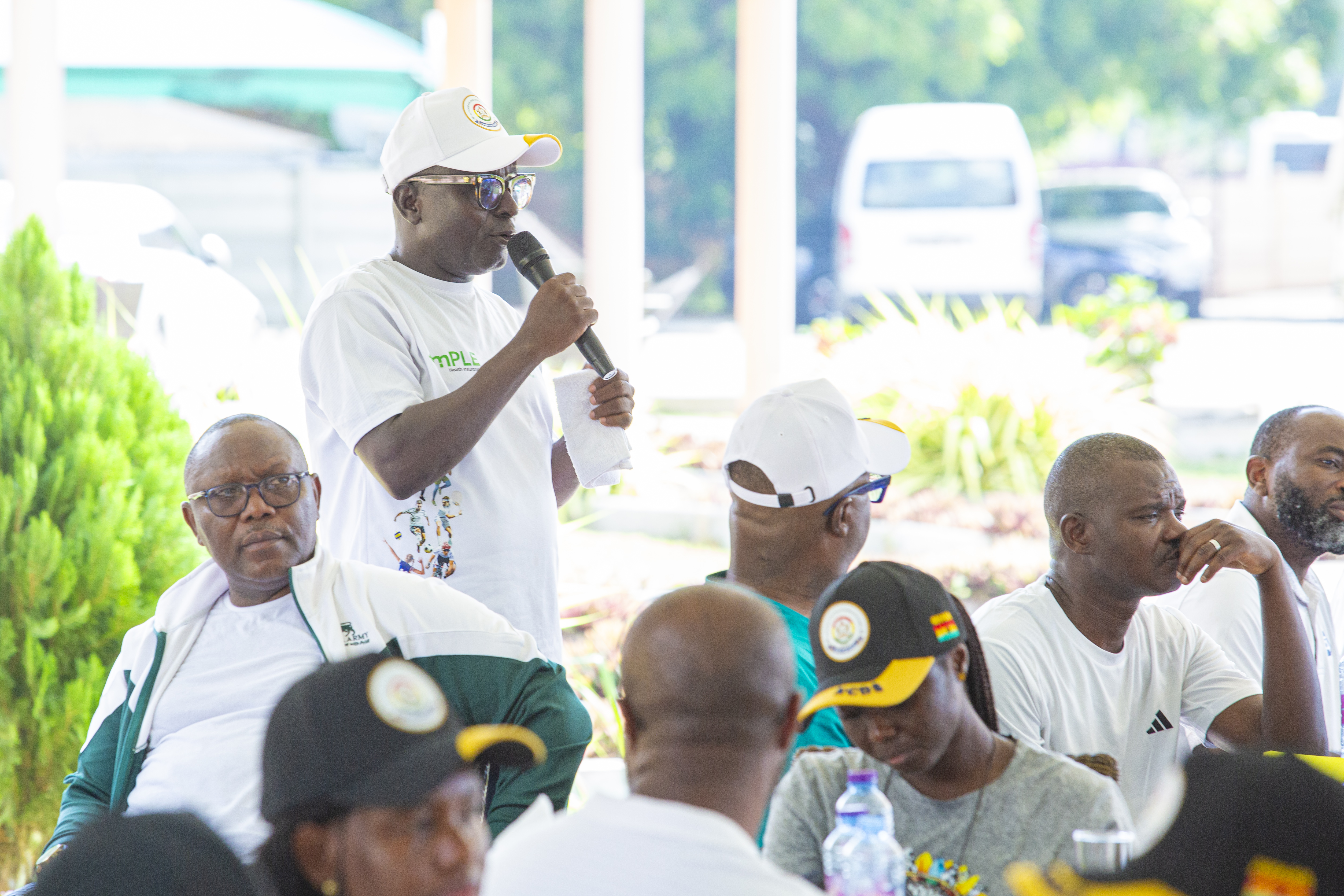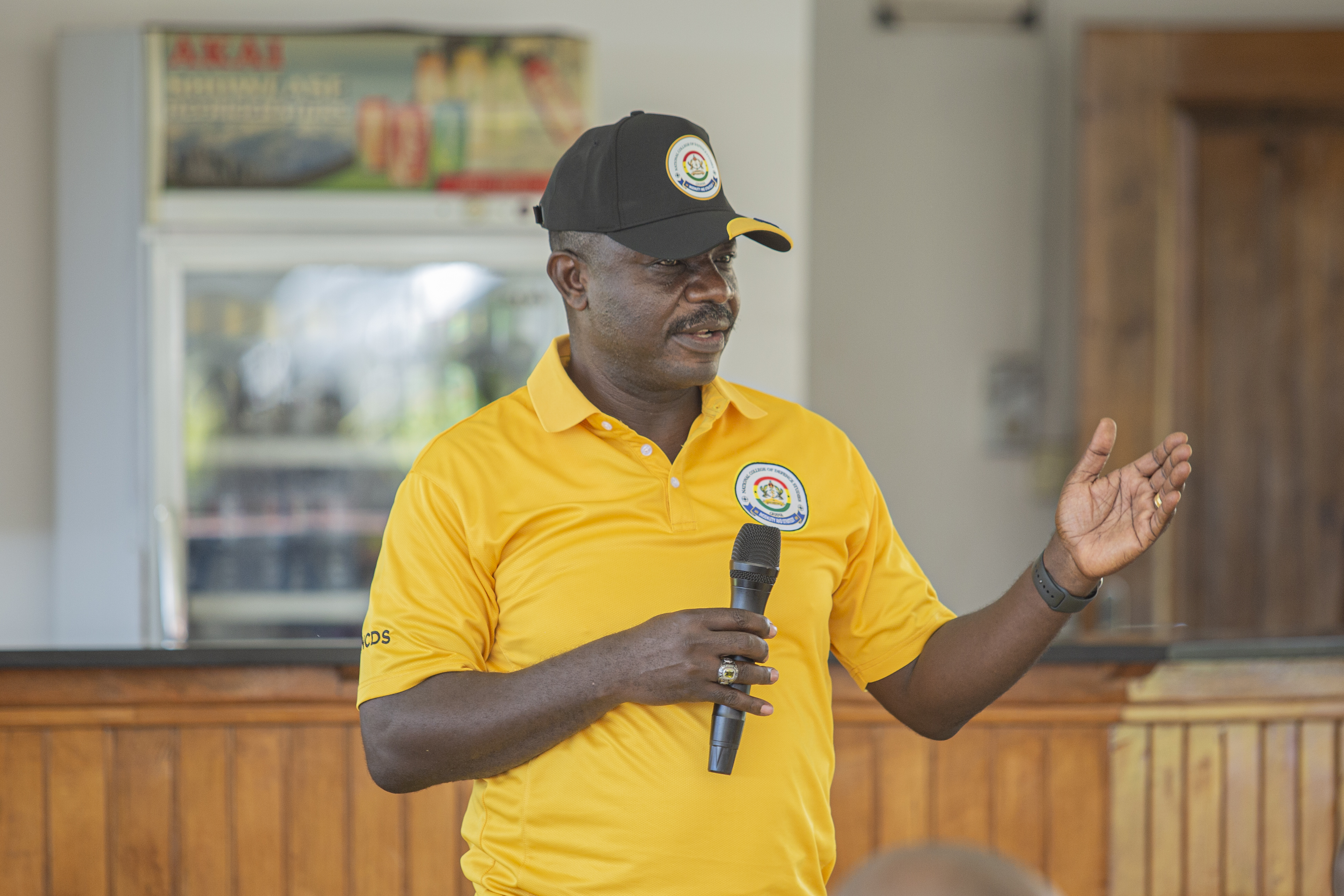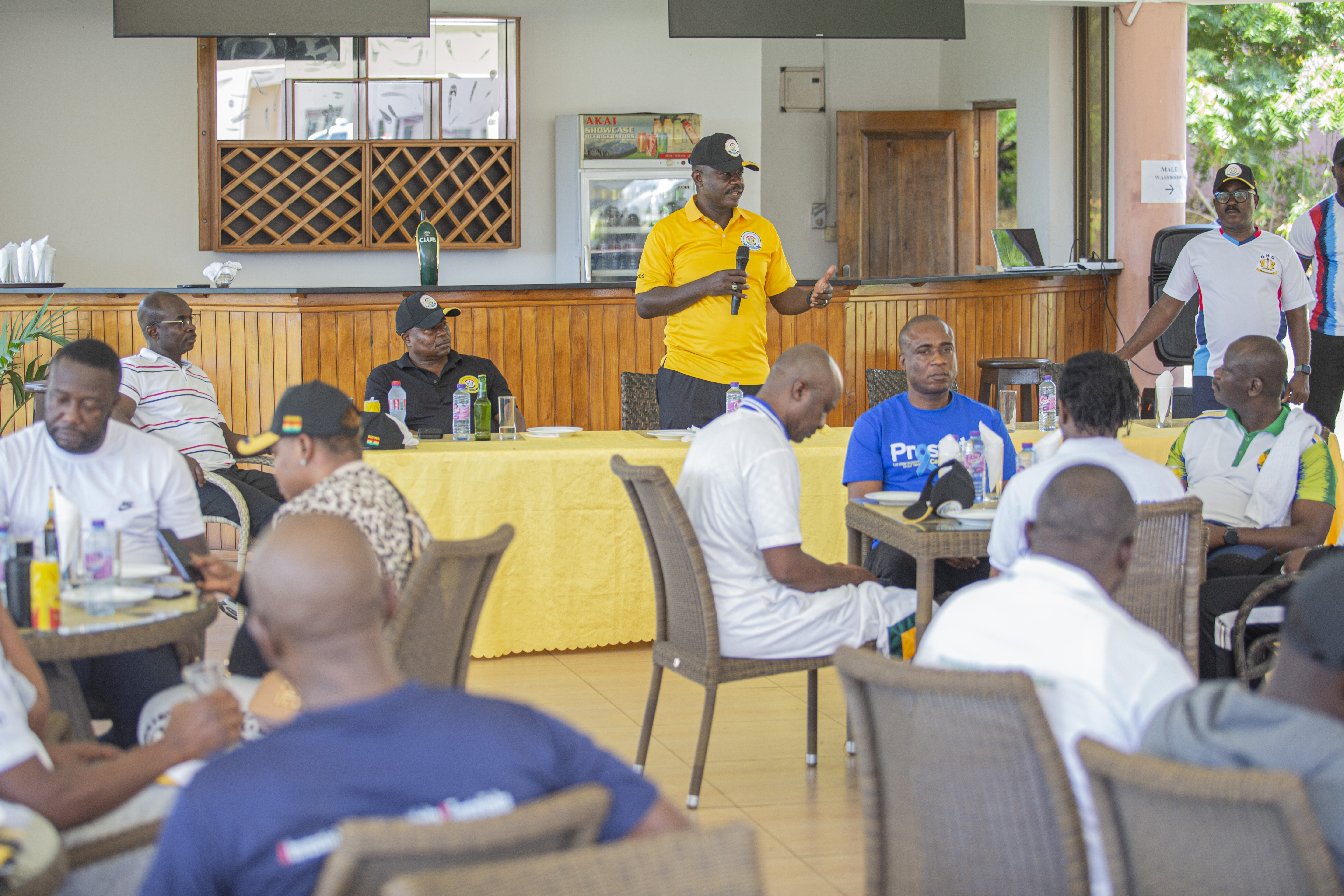
Participants of Strategic Leadership Course 3-2026 at the National College of Defence Studies (NCDS) have undertaken a six-kilometre Executive Leisure Health Walk as part of activities aimed at enhancing their strategic leadership, decision-making and organisational problem-solving capabilities.
The walk, held on Saturday, 14 November 2026, at Burma Camp in Accra, commenced at the forecourt of the Department of Public Relations and ended at the Command Mess.
The exercise formed part of the College’s practical leadership development programme, designed to equip participants with the skills and competencies required to make timely, informed and effective decisions in addressing complex organisational challenges.
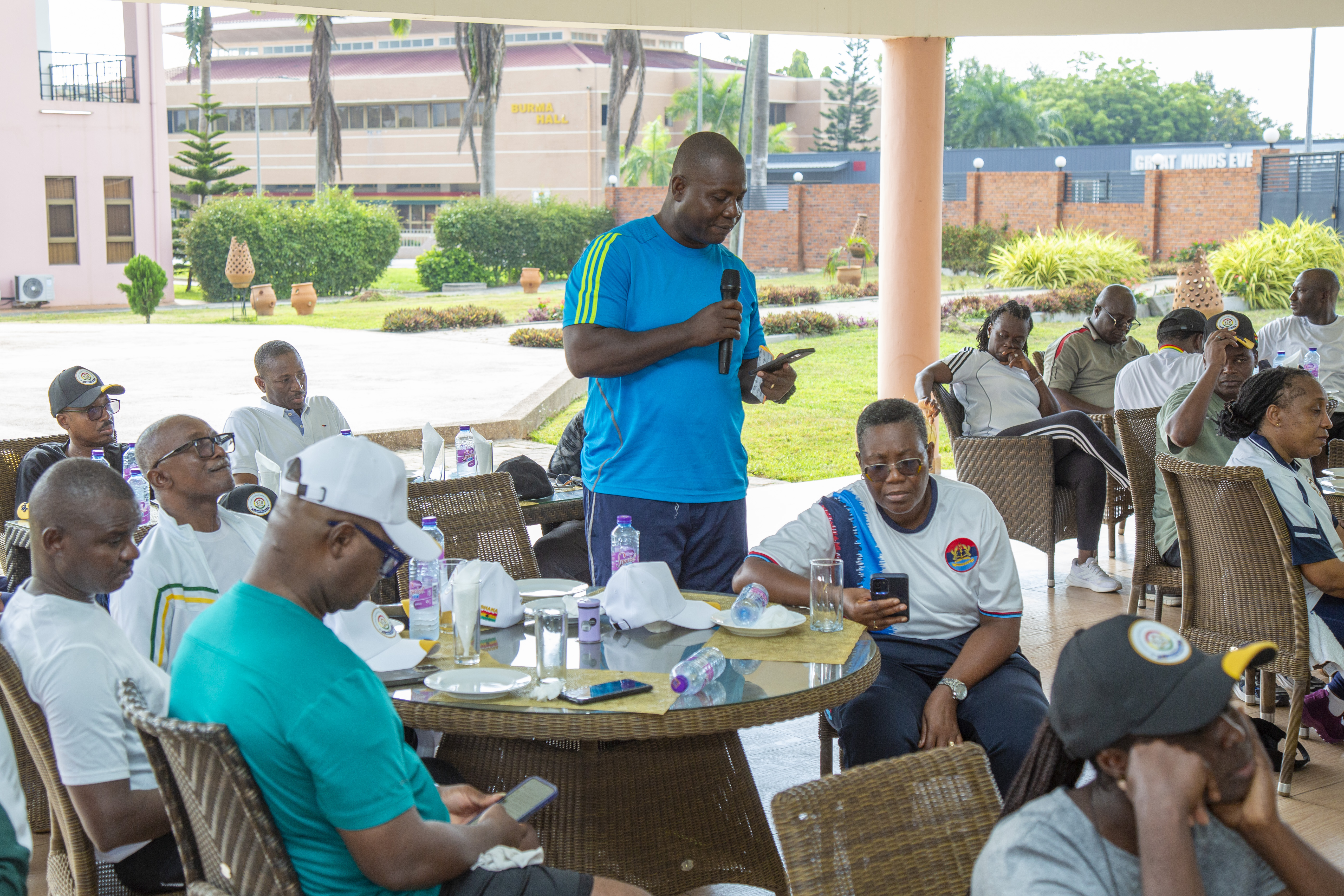
Following the walk, participants were presented with real-life organisational scenarios and tasked to analyse the situations and propose appropriate strategic responses. One of the scenarios centred on a financial institution that had introduced a high-risk product, triggering concerns among customers and the media.
In their deliberations, participants examined various crisis management approaches, including stakeholder engagement, the establishment of a dedicated complaints unit, the issuance of factual press statements, the constitution of an independent investigative commission and the provision of financial relief to affected customers. They also emphasised the need for institutional accountability, risk mitigation and appropriate sanctions for officials whose actions contributed to the crisis.
The discussions further focused on developing immediate interventions and long-term strategies to address institutional challenges, safeguard organisational interests and promote sustainable outcomes. Participants were encouraged to consider the broader implications of their decisions and prioritise actions that would serve the overall interests of their respective organisations.
Addressing the participants, the Commandant of NCDS, Major General Frederick Dankyi Ntiri, commended them for successfully completing the walk. He emphasised the critical responsibility of strategic leaders in decision-making, noting that every decision carries significant consequences for individuals and organisations.
He urged participants to develop the ability to identify problems, critically assess situations and devise practical solutions to emerging challenges.
The Executive Leisure Health Walk underscored the importance of ethical leadership, effective communication, accountability, crisis management and strategic foresight in promoting effective leadership and good governance.
The activity also provided an opportunity for participants to combine physical wellness with practical leadership development, reinforcing the need for sound judgement, critical thinking and decisive action in managing organisational challenges.